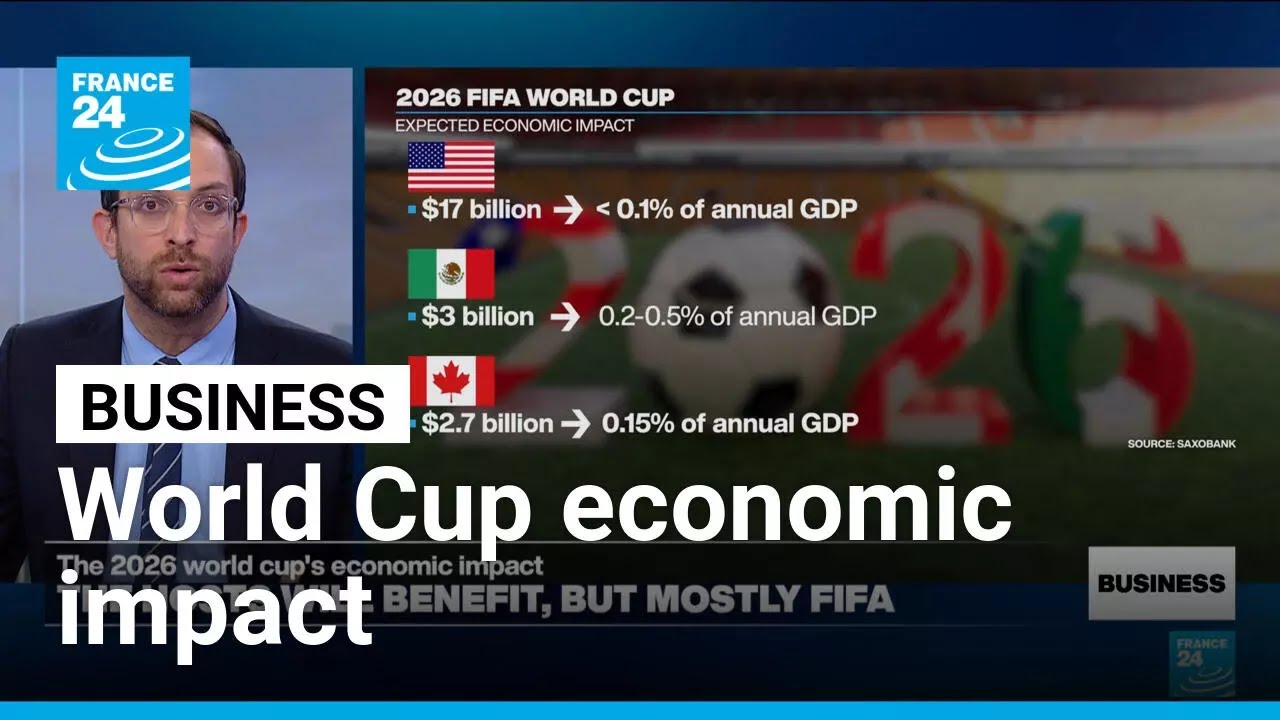
The 2026 FIFA World Cup, set to take place in Mexico and other host countries, is anticipated to generate an impressive $41 billion in economic output. This event is expected to have a substantial impact on the global sports economy, with FIFA itself projected to earn record revenues around $11 billion. Despite the challenges posed by hosting the tournament across multiple nations, the financial benefits are forecast to be significant, reinforcing the World Cup's role as a major economic driver.
In addition to the sports sector, global markets are reacting to various developments, including increased tensions in the Strait of Hormuz and legal challenges facing SpaceX prior to its market debut. These events underscore a dynamic period of economic activity across different industries such as sports, energy, and aerospace. The convergence of these factors signals notable shifts in the international economic landscape during this period.