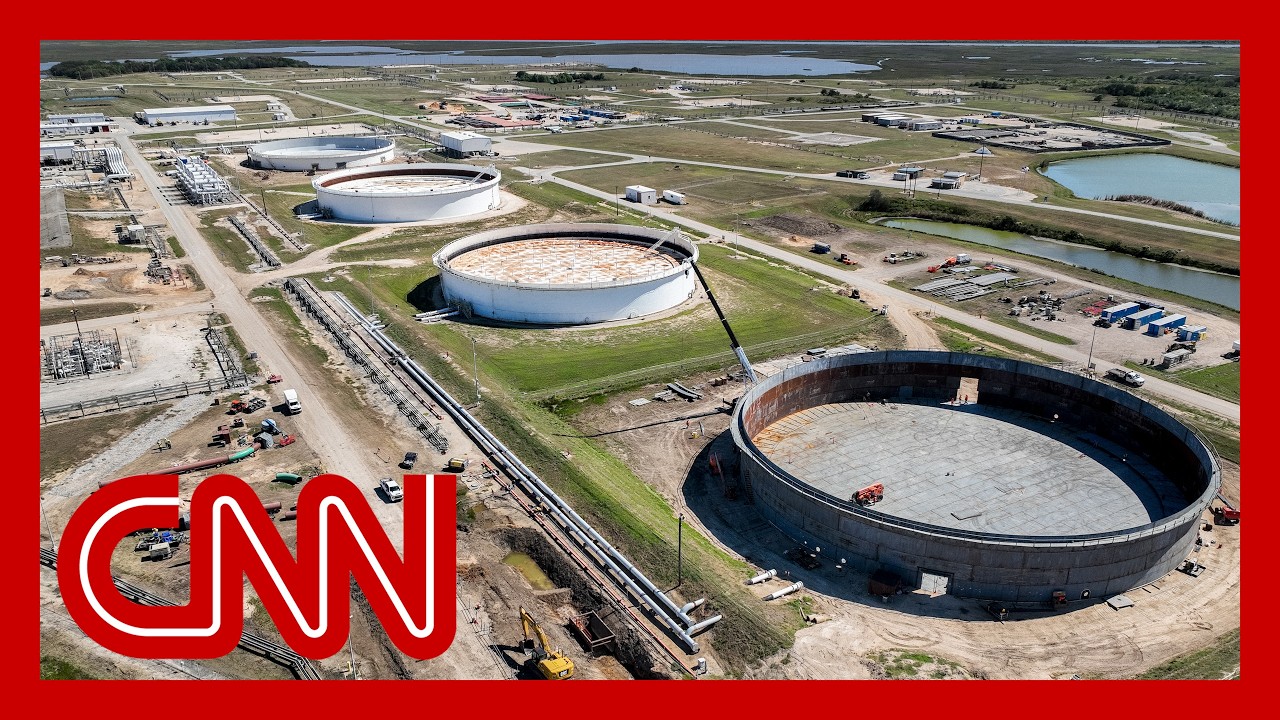
In response to ongoing disruptions in global oil supplies, 32 major economies, including the United States, have collectively agreed to release 400 million barrels of emergency oil reserves. This unprecedented action, coordinated by the International Energy Agency (IEA), aims to stabilize crude oil availability and curb soaring prices caused in part by conflicts affecting the region around the Strait of Hormuz. Despite this significant intervention, oil prices continue to rise, impacted heavily by a near-blockade of this critical waterway, which restricts the flow of approximately 15 million barrels of crude and 5 million barrels of other oil products daily.
The effort represents the largest coordinated release of emergency oil stocks in history, reflecting the severity of current supply challenges. Although the release is intended to alleviate market pressures, the persistent disruption at the Strait of Hormuz keeps the global energy market under strain, maintaining elevated price levels despite the added reserves. This situation underscores the ongoing vulnerabilities in oil supply chains linked to geopolitical tensions.