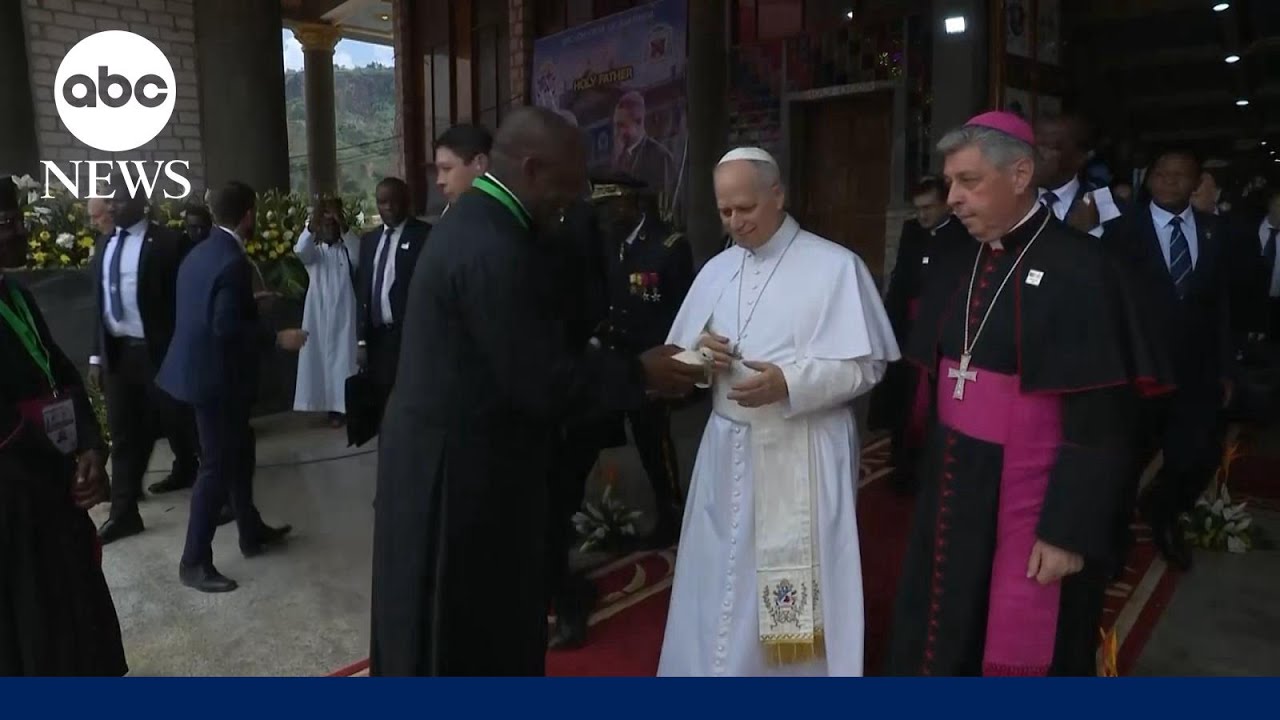
A recurring tension exists between U.S. presidents and the pope, rooted in differing visions of global leadership, moral authority, and foreign policy. Historian Mark Updegrove examines this dynamic across multiple administrations, highlighting moments when religious teachings and political decisions have clashed. From Cold War-era disagreements to contemporary debates over immigration, climate change, and human rights, the relationship has often been marked by both cooperation and friction. While some presidents have sought papal support on humanitarian issues, others have found themselves at odds with Vatican positions on social and ethical matters.
The complexity of this relationship reflects broader struggles between secular governance and religious influence on the world stage. Despite these tensions, diplomatic engagement continues, underscoring the enduring significance of dialogue between American political leaders and the Vatican. The historical record shows that while personal relationships and public statements may vary, the intersection of faith and power remains a consistent theme in U.S.-Vatican interactions.