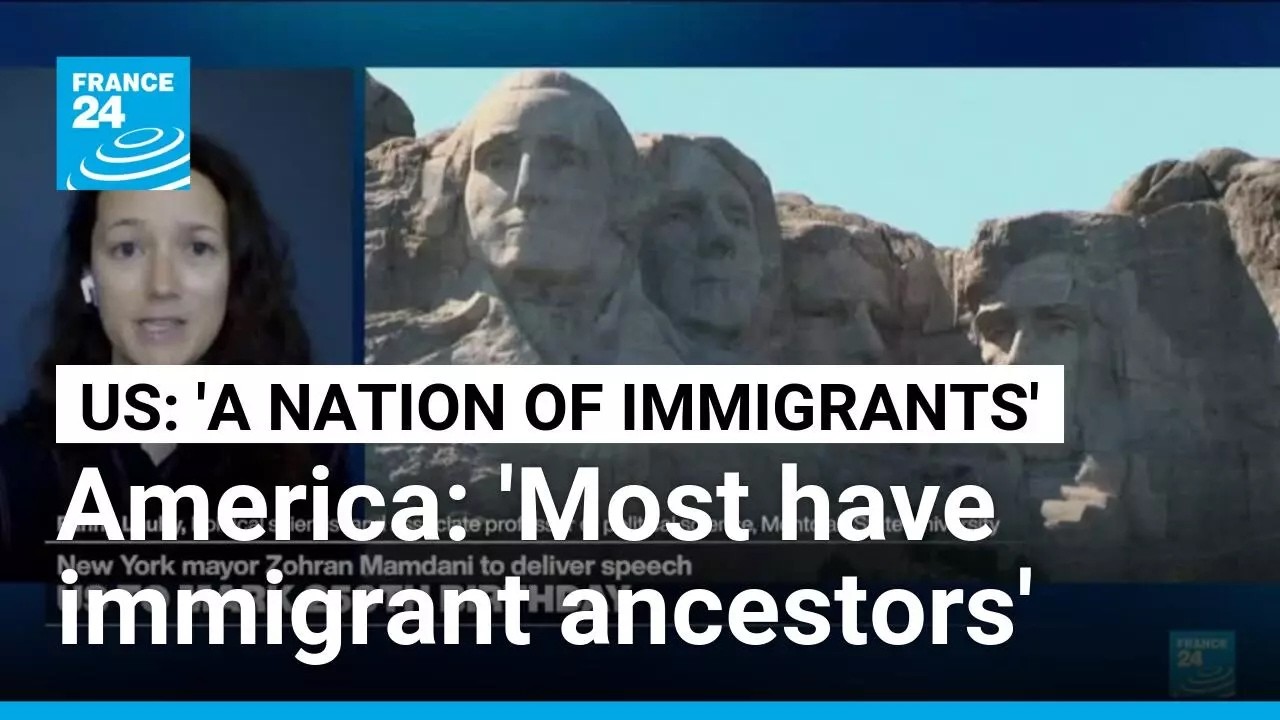
As the United States nears its 250th anniversary, political dynamics are undergoing profound transformation. The expansion of presidential authority, particularly through recent Supreme Court decisions, has raised concerns about the erosion of congressional power and the balance of federal branches. These developments underscore a broader shift in governance, where executive influence is growing amid increasing polarization. At the same time, new political figures such as Zohran Mamdani are gaining visibility within the Democratic Party, representing a progressive movement that challenges traditional party strategies and priorities.
The evolving role of the presidency under former President Donald Trump has further intensified debates over institutional limits and democratic norms. With these changes, the Democratic Party finds itself at a crossroads, navigating internal divisions while responding to shifting public expectations. As the nation reflects on two and a half centuries of history, the future of American democracy hinges on how well institutions adapt to these structural changes. The coming years will test the resilience of democratic processes amid rising demands for accountability and reform.