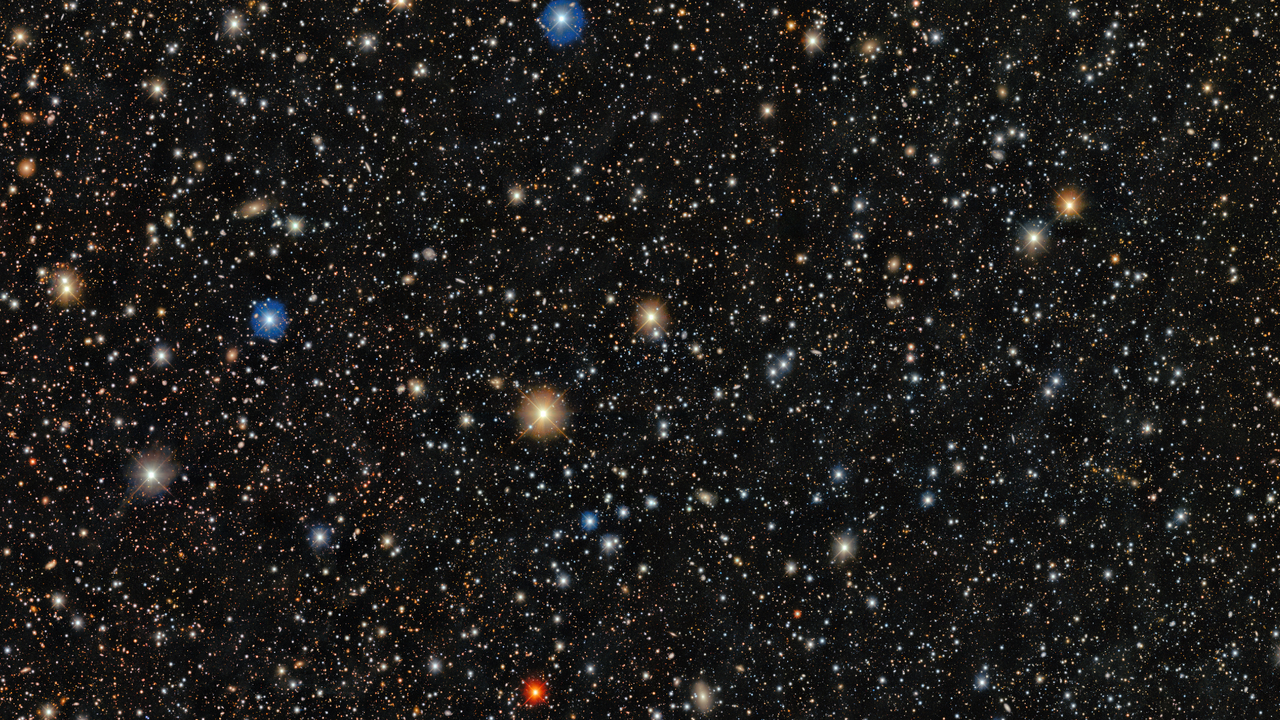
Astronomers have identified a rare star formed in the early universe, marking a significant breakthrough in understanding stellar evolution. This iron-deficient second-generation star offers clues about how the first stars influenced their successors through the distribution of heavy elements. Researchers describe the find as pushing the boundaries of current astrophysical knowledge, with the star's composition reflecting conditions from an era when the cosmos was still young and elemental diversity limited.
The discovery was made possible through advanced data analysis techniques, allowing scientists to pinpoint this unusual object among vast stellar datasets. Its existence supports theories about the chemical enrichment processes that shaped galaxy formation. By studying such ancient stars, astronomers gain insight into the lifecycle of the first stellar generations and the mechanisms that seeded the universe with the materials necessary for planets and life.