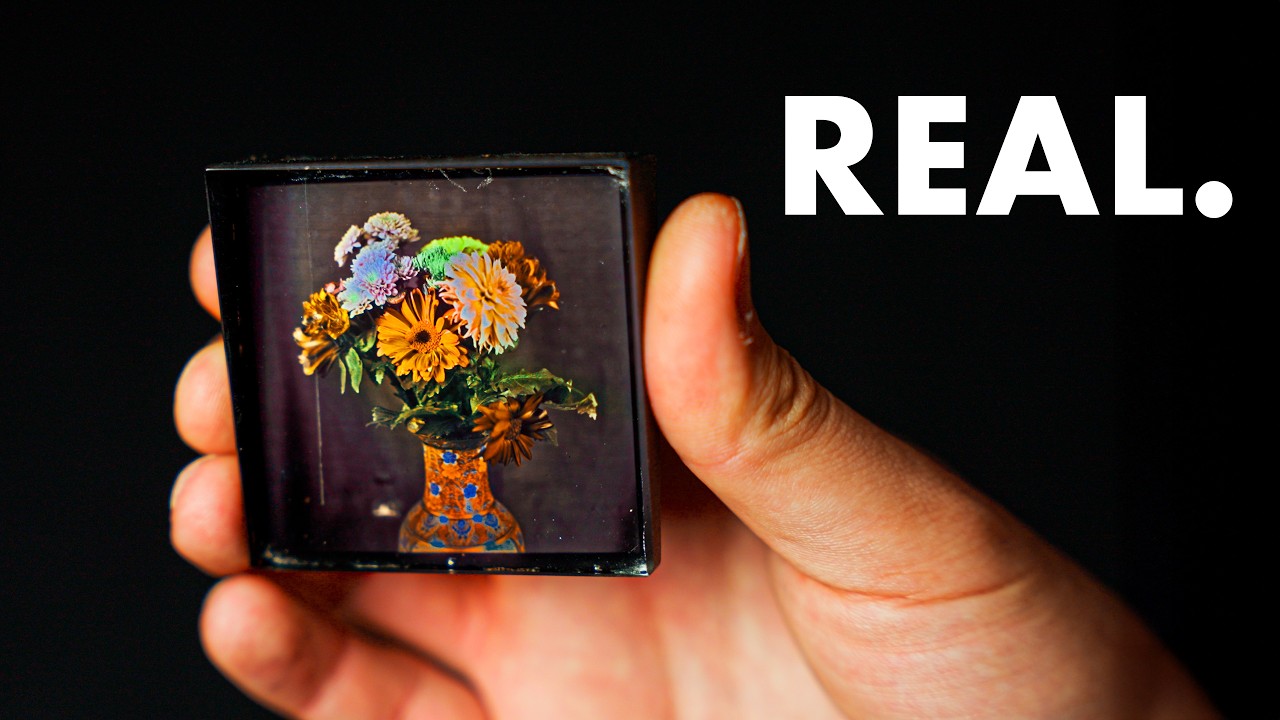
This page delves into the historical technique of Lippmann Plates, an early form of color photography that captures images using structural color instead of traditional pigments. Unlike conventional methods relying on dyes, this approach records color through microscopic physical structures that manipulate light to produce vivid hues. The technique echoes natural phenomena such as the shimmering colors of chameleon skin and butterfly wings, showcasing a unique way to reproduce color that predates modern photographic technology.
The content further explains the scientific principles behind structural coloration, focusing on how the arrangement of tiny structures causes light interference to create vibrant colors. It highlights the artistic and scientific contributions of Lippmann Plates and their inventors, offering insight into a nearly forgotten photographic process. This exploration broadens the understanding of color photography by revealing an alternative method that blends art and science in capturing the true essence of color.