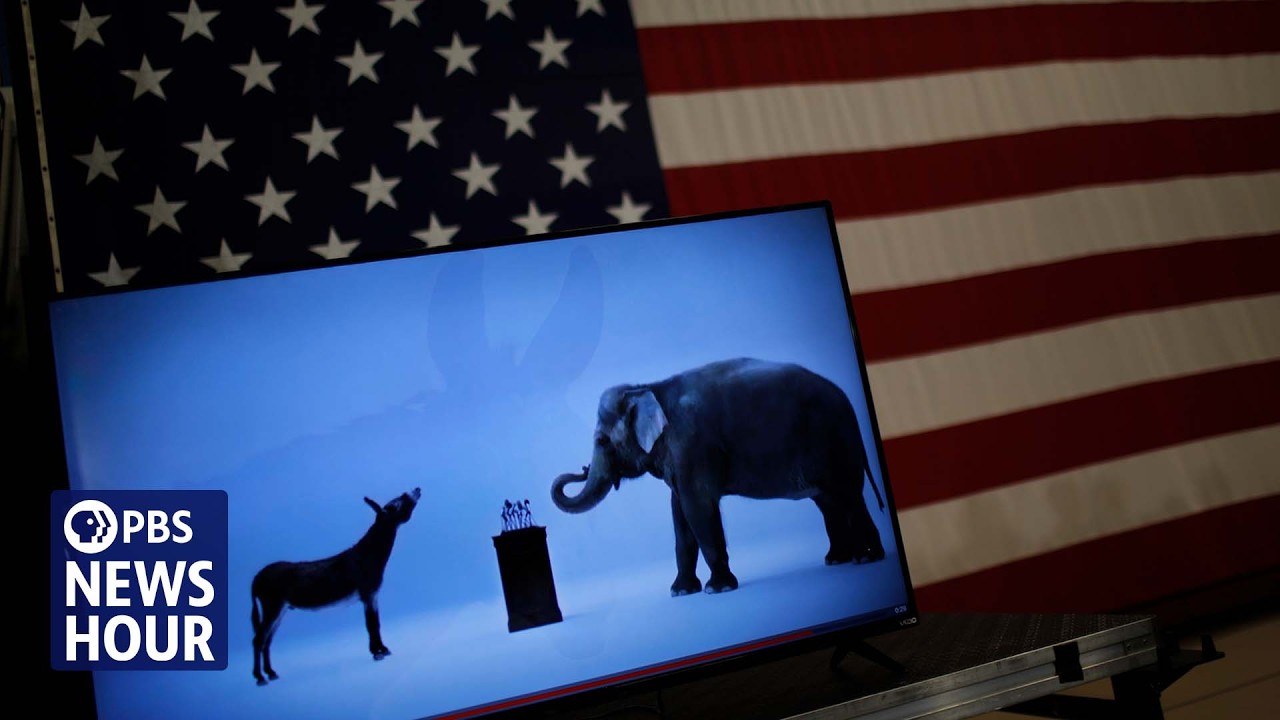
A new Pew Research Center study uncovers a more nuanced political reality in the United States, moving beyond the familiar red versus blue narrative. By analyzing responses from over 10,000 Americans, researchers classified individuals into nine distinct political and cultural factions. These groups reflect varied beliefs on government, social issues, and economic policy, revealing that most Americans do not align strictly with either major party. The findings challenge the perception of deep national polarization and highlight the diversity of views shaping public opinion.
The report’s implications are significant for upcoming elections, as these factions influence voting patterns in different ways. Analysts discuss how each group responds to political messaging and candidate platforms, suggesting that electoral strategies must account for this complexity. Rather than treating voters as monolithic blocs, campaigns may need to tailor outreach to specific values within these nine categories. This deeper understanding of American political identity offers a clearer picture of the forces driving contemporary political discourse.