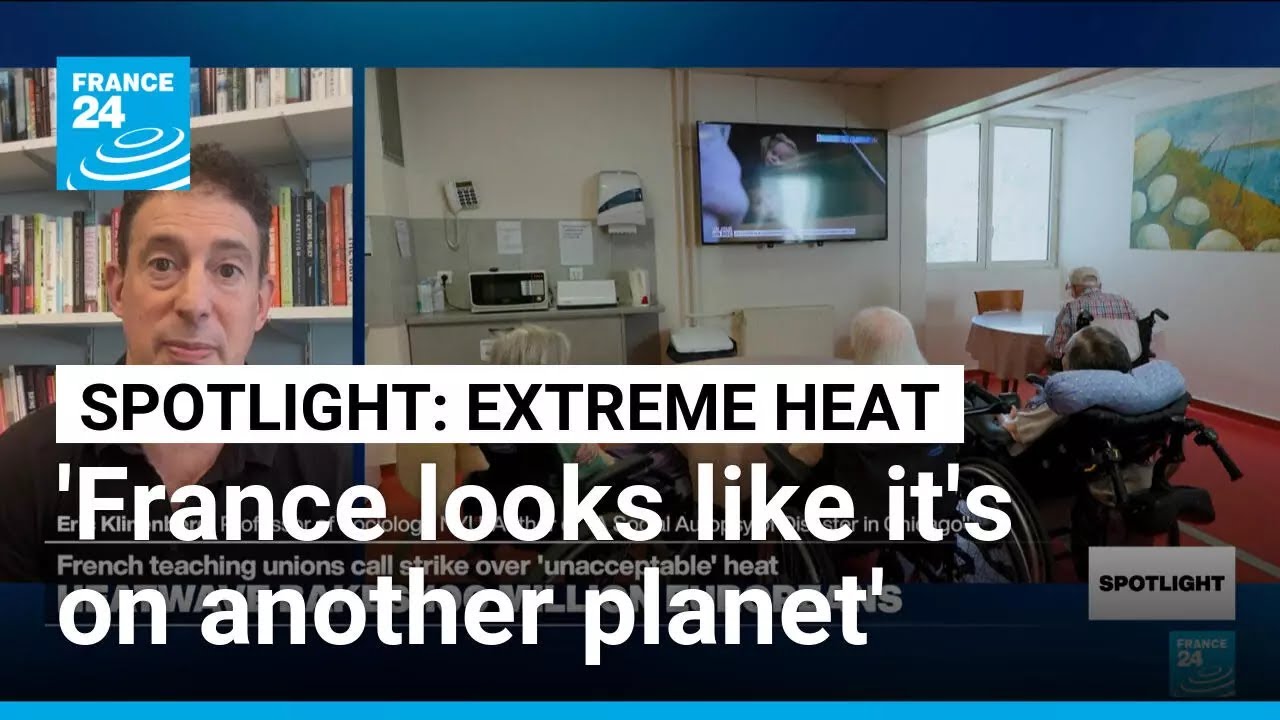
Extreme heatwaves pose serious risks, especially to vulnerable populations, and research shows that social connections play a crucial role in survival. Sociologist Eric Klinenberg emphasizes that strong community bonds can be as vital as air conditioning during heat emergencies. The 1995 Chicago heatwave revealed that isolated individuals were far more likely to die, not due to lack of technology, but because of weakened social networks. A simple gesture like checking on a neighbor can prevent tragic outcomes, underscoring the importance of everyday human interaction.
The study highlights that neighborhoods with robust social infrastructure experience lower mortality rates during extreme weather events. This resilience stems from mutual support, regular contact, and collective awareness—elements that technology alone cannot replicate. As climate change increases the frequency of heatwaves, building stronger local ties becomes a key strategy for public safety. Investing in community relationships is therefore essential for long-term adaptation and protection against environmental hazards.