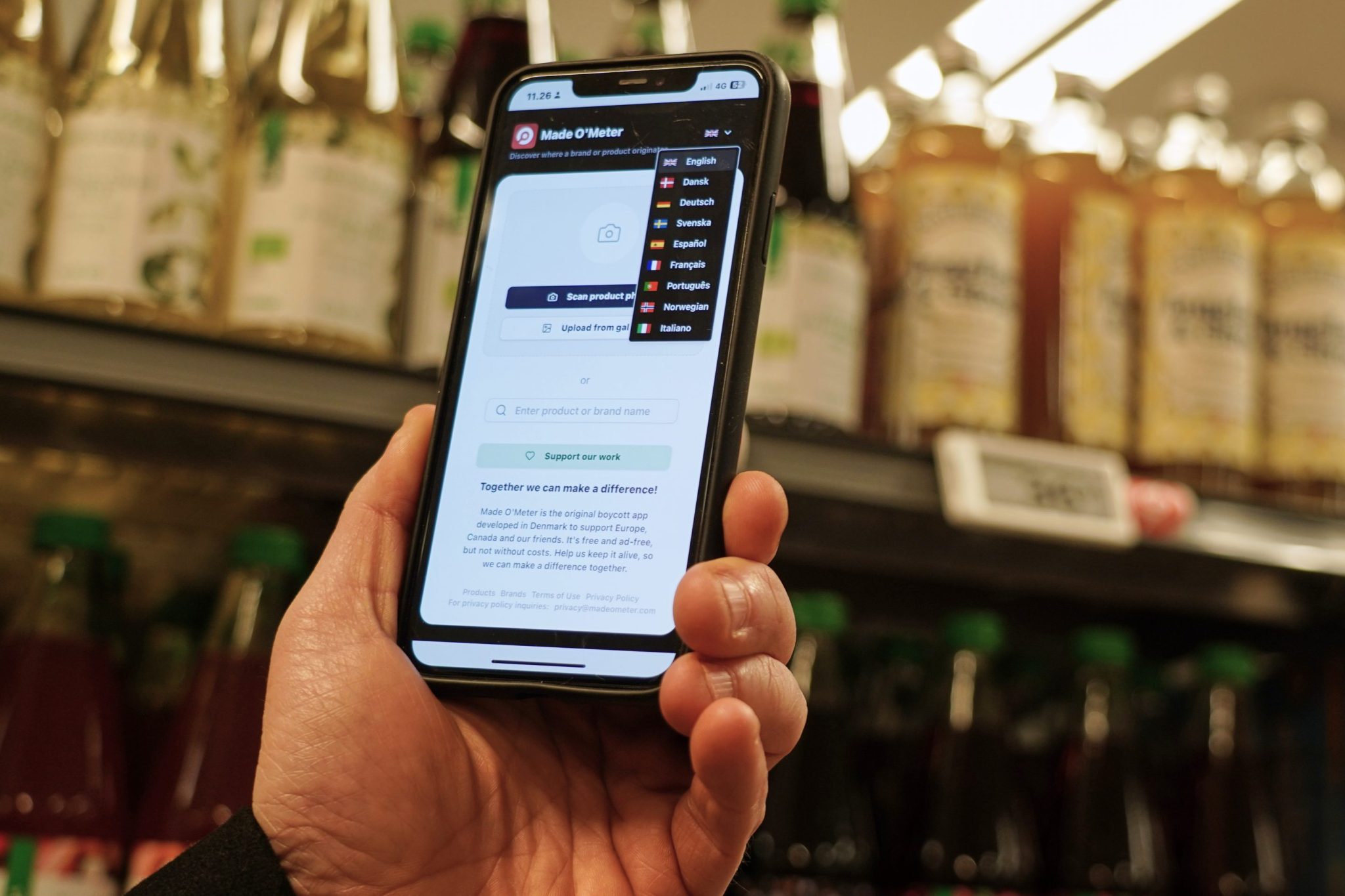
Former U.S. President Donald Trump's 2019 suggestion to buy Greenland, though dismissed at the time, unexpectedly influenced Danish consumer habits. Despite U.S. goods making up only a small fraction of Danish grocery shelves, the proposal stirred national pride and encouraged Danes to pay closer attention to where their products come from. This led to a stronger preference for locally produced and European Union-sourced items, reinforcing existing trends rather than launching a widespread boycott. The incident highlighted how political statements can ripple into daily life, shaping purchasing decisions through emotional and patriotic responses.
The event also boosted interest in digital tools designed to track and protest against certain brands or countries. Boycott apps gained traction as citizens used them to express dissent and support national values in a symbolic way. These platforms allowed consumers to align their shopping choices with broader political sentiments, demonstrating how digital activism is becoming integrated into routine consumption. The episode revealed the growing influence of conscious consumerism in a globalized economy, linking international politics to everyday market behavior and underscoring the role of technology in shaping national identity and trade perceptions.