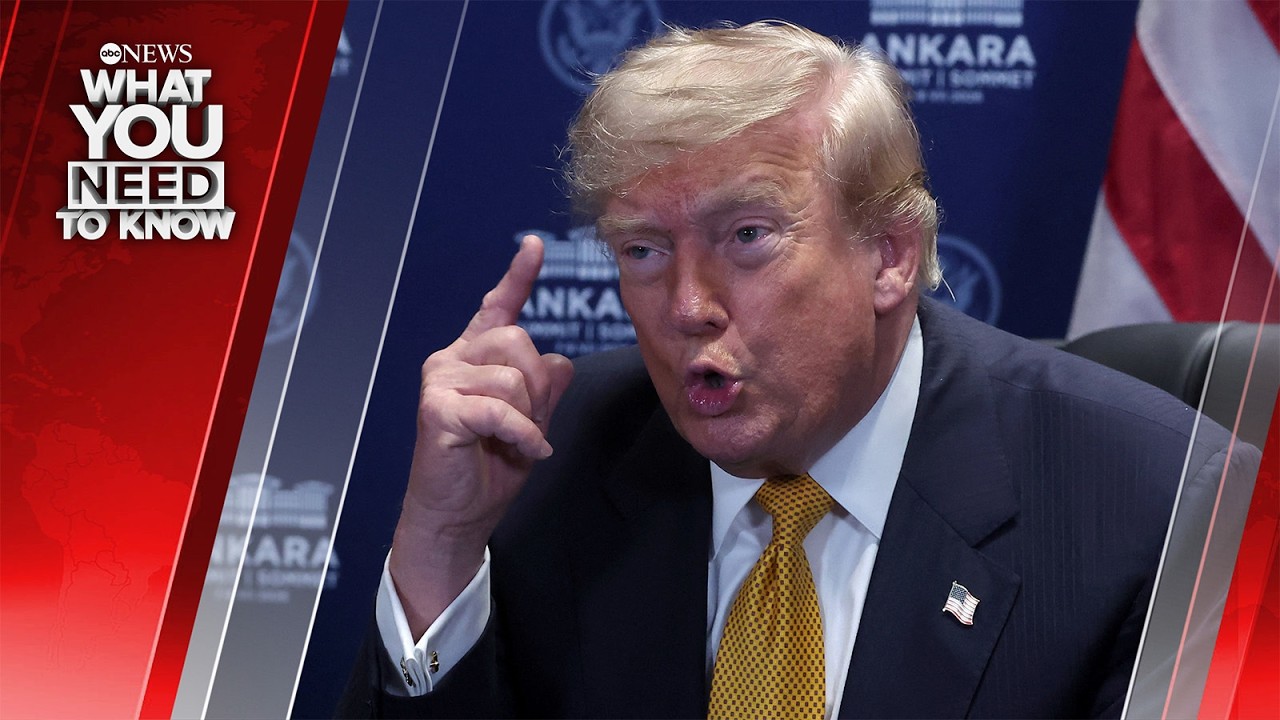
The fragile ceasefire between the United States and Iran has broken down following a series of military actions in the Gulf region. U.S. forces conducted strikes after incidents involving damaged shipping tankers in the Strait of Hormuz, prompting Iran to retaliate with attacks on American military installations in the area. Both sides have publicly accused each other of violating the agreement, intensifying regional tensions. President Trump addressed the situation during his attendance at the NATO summit in Turkey, criticizing allied nations for lacking adequate military support. The diplomatic strain coincided with an emergency response in Manhattan, where engineers are reinforcing a 37-story building after discovering that key structural columns are deforming under stress.
This convergence of international conflict and domestic infrastructure concerns has placed significant pressure on the U.S. government. The ongoing military escalation between Washington and Tehran threatens regional stability, while the structural issue in New York highlights vulnerabilities in urban construction safety. As both crises unfold simultaneously, public attention remains focused on developments in the Middle East and the measures being taken to secure critical buildings at home. The dual challenges underscore the complexity of managing security threats across global and local domains.