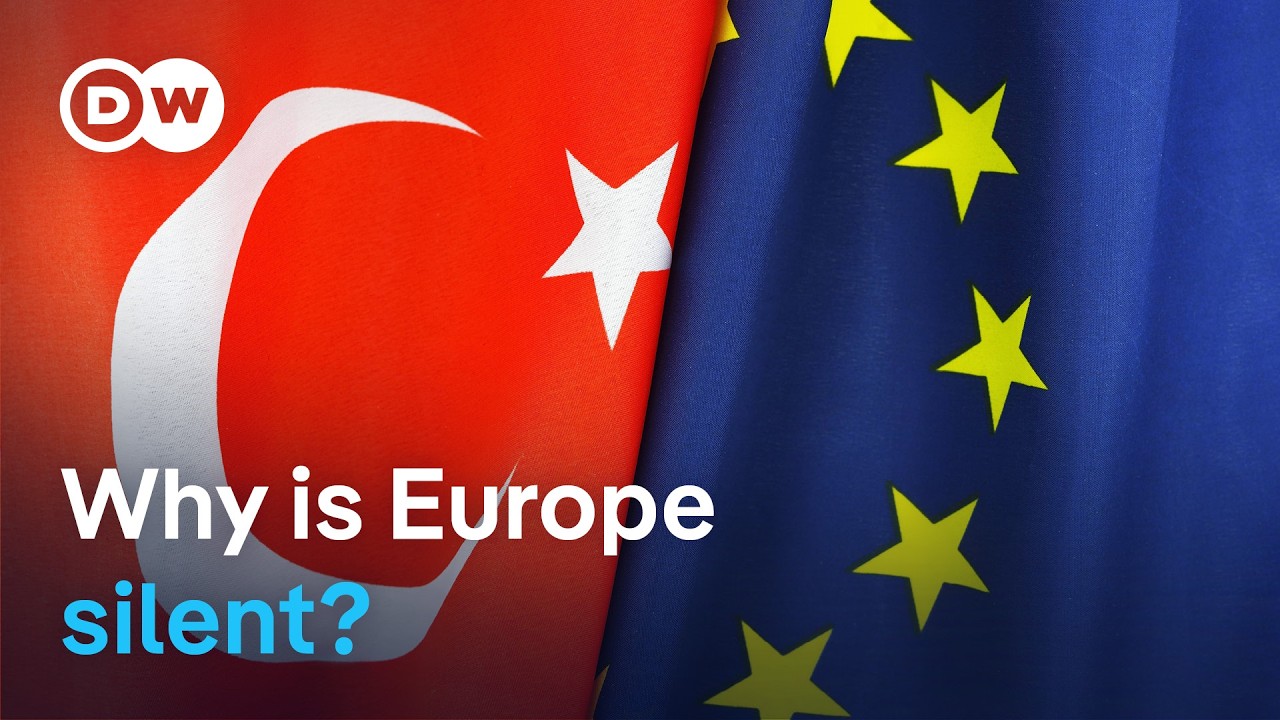
A wave of political repression has swept through Istanbul as Turkey’s government intensified its actions against the main opposition party, the CHP. The leader was removed from office, and numerous politicians were detained following a raid on party headquarters by riot police. This escalation has sparked widespread concern among opposition members, many of whom express deep disillusionment over what they see as a lack of support from European nations. The atmosphere in the city is tense, marked by fear and a sense of isolation, particularly among those who once believed Western democracies would stand up for democratic principles.
European leaders have largely refrained from strong public condemnation, raising questions about the balance between geopolitical interests and human rights advocacy. Turkey’s crucial role in regional stability and migration management appears to be shaping diplomatic caution. As tensions mount, the silence from Europe underscores a growing dilemma: how to respond to democratic backsliding without jeopardizing strategic alliances. The situation highlights the complex interplay between values and realpolitik in international relations.