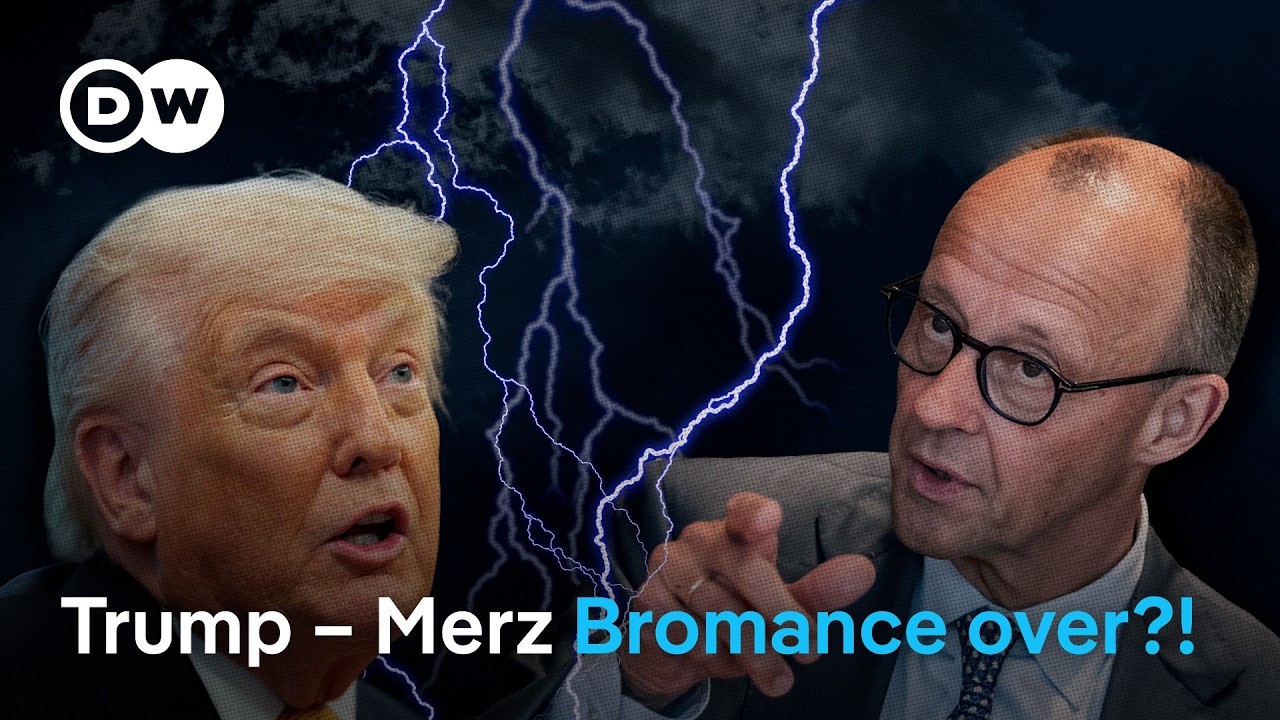
The political relationship between German Chancellor Friedrich Merz and US President Donald Trump has deteriorated sharply following a public exchange of harsh statements. Merz's characterization of the United States as humiliated by Iran triggered an immediate backlash from Trump, who responded with threats to withdraw military troops and impose new tariffs on German goods. This escalation has sparked alarm over the stability of transatlantic ties, with experts questioning whether this conflict represents a temporary rift or the beginning of a deeper transformation in bilateral relations. The situation underscores growing tensions in diplomatic coordination between key Western allies.
In a special segment of Berlin Briefing, hosts Nina Haase and Michaela Küfner examine the fallout with DW’s Washington Bureau Chief Ines Pohl. Their discussion centers on the strategic consequences for both Germany and the United States as they confront this crisis. The conversation explores how shifting leadership dynamics and differing foreign policy priorities may reshape cooperation on global issues. With mutual trust under strain, the future of the alliance remains uncertain, raising critical questions about long-term collaboration in defense, trade, and international diplomacy.