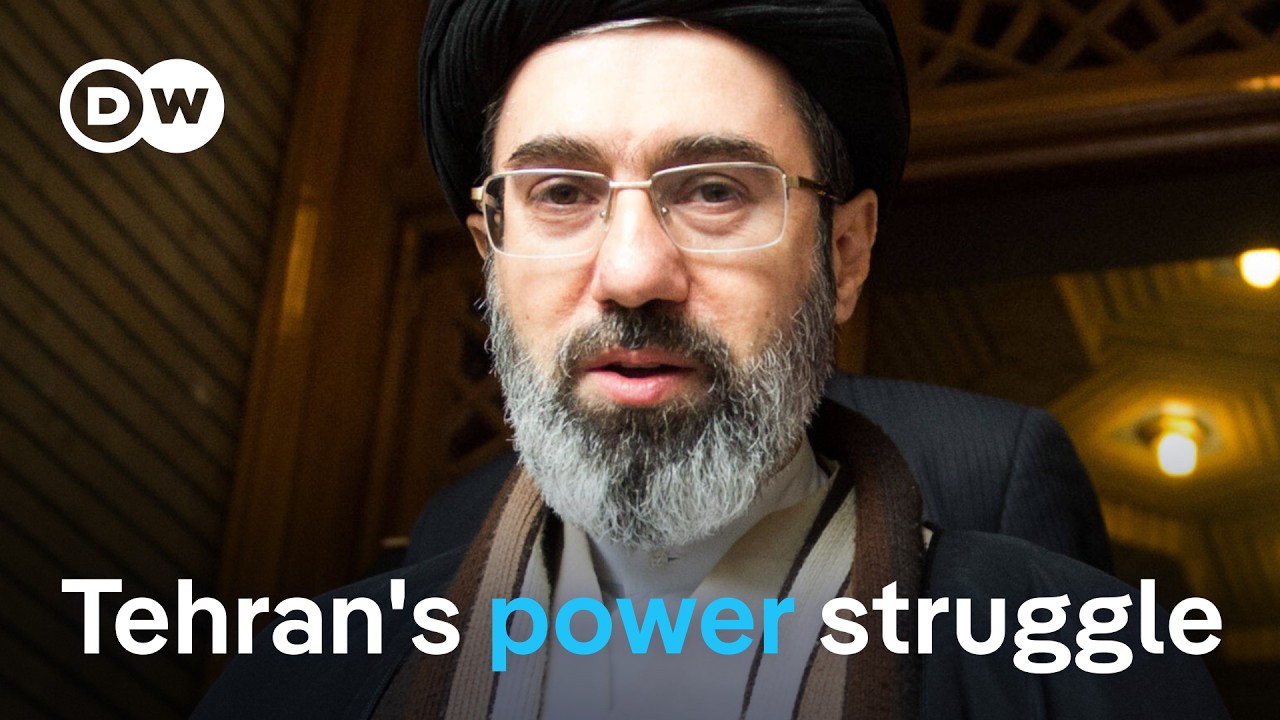
Iran’s sudden reversal on the closure of the Strait of Hormuz highlights internal disagreements within its leadership structure. While the foreign minister declared the waterway open, military officials quickly retracted the statement, underscoring a lack of unified messaging. This inconsistency raises questions about decision-making authority in Iran, particularly between civilian and military branches. Such divisions could complicate diplomatic efforts, especially in negotiations involving regional security or ceasefire agreements.
The conflicting statements suggest that policy positions may not reflect a single coordinated strategy but rather competing interests within the government. Analysts like Farzan Sabet from the Geneva Graduate Institute note that these fluctuations can be strategic, used to signal strength or test international reactions. The situation underscores the challenges of engaging with Iran in high-stakes diplomacy, where inconsistent signals may hinder progress and increase uncertainty among global actors.