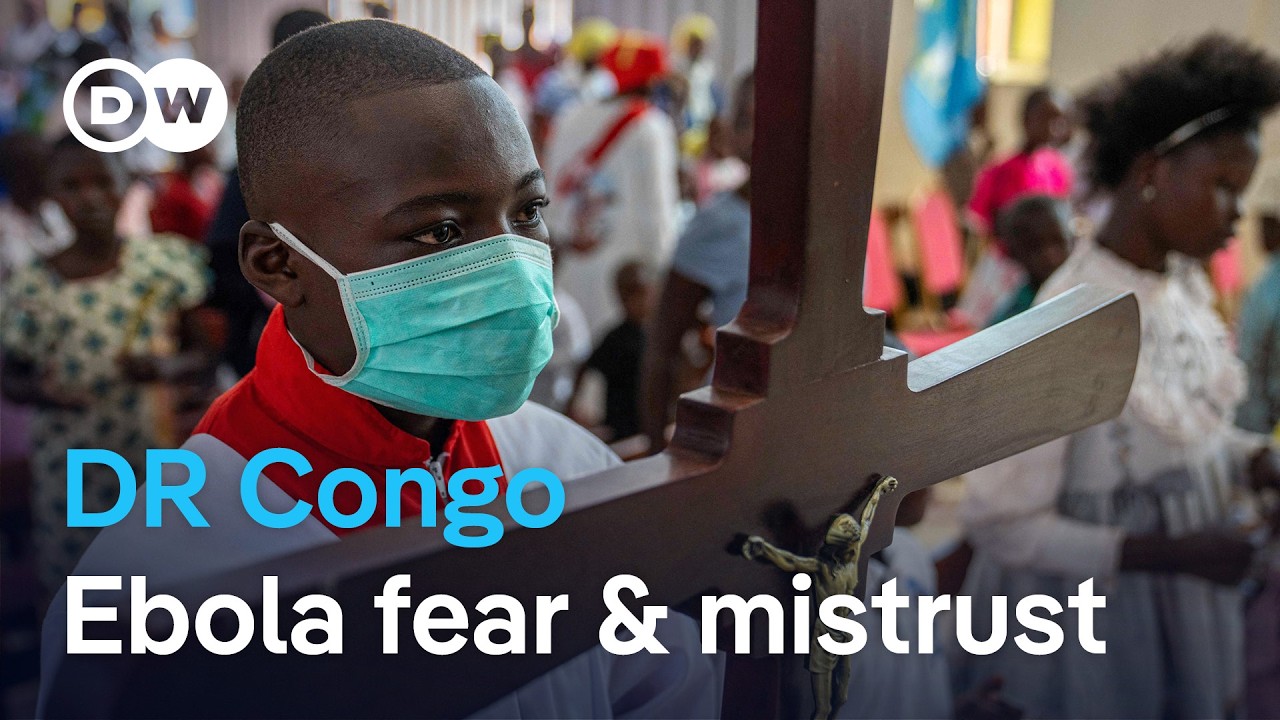
A severe Ebola outbreak in the Democratic Republic of Congo has resulted in more than 200 deaths, with containment efforts undermined by community resistance and violent incidents. Health workers are encountering significant dangers, including attacks on treatment centers and arson, as mistrust spreads in affected regions. Despite ongoing public health campaigns, gatherings continue to occur, increasing transmission risks. Authorities in Kinshasa are implementing preventive measures to stop the virus from spreading further, but the situation remains unstable due to security concerns and lack of cooperation from some local populations.
The crisis highlights the difficulties of managing a public health emergency in a complex political and social environment. Efforts to educate communities and enforce safety guidelines face persistent challenges, particularly where misinformation and fear prevail. While health officials work to expand outreach and vaccination campaigns, the combination of violence, logistical hurdles, and public skepticism continues to impede progress. The international response is ongoing, but long-term success depends on building trust and ensuring consistent access to medical care in high-risk areas.