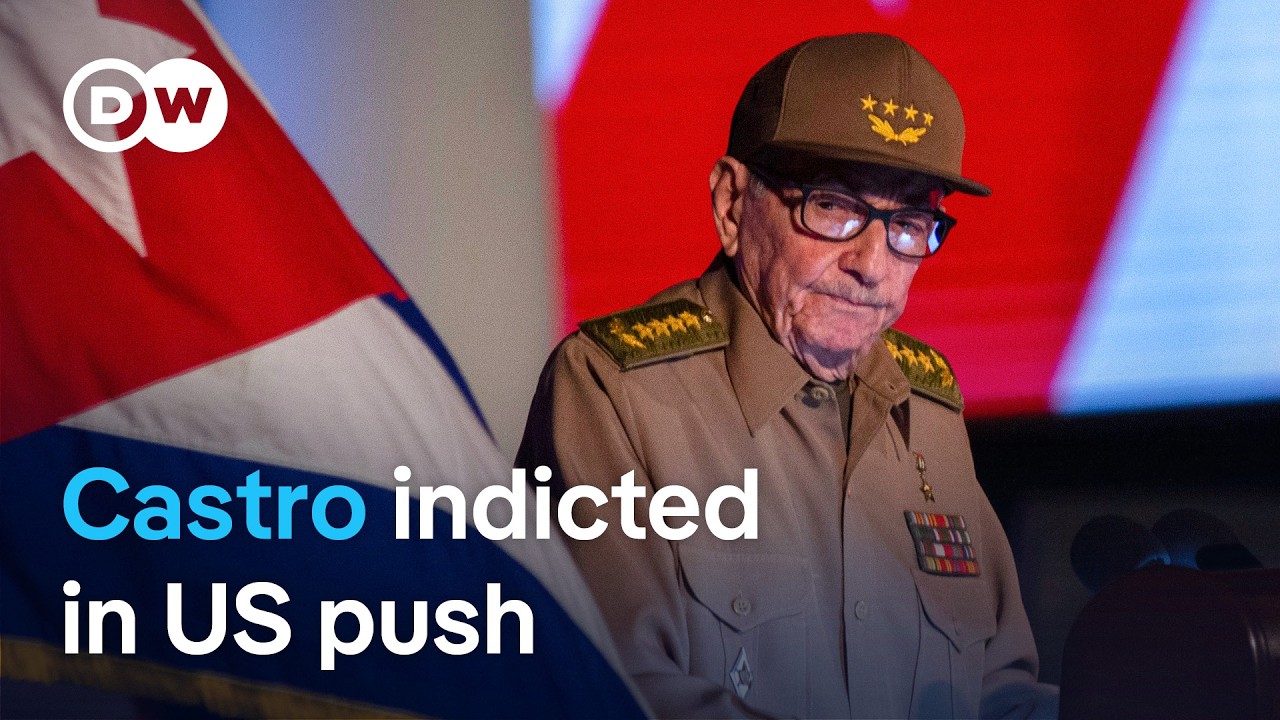
The Trump administration has intensified its stance toward Cuba by formally indicting former leader Raúl Castro over the 1996 downing of two civilian aircraft. This legal action marks a significant departure from traditional diplomatic channels, using the U.S. judicial system as a tool to exert political pressure on the Cuban government. The indictment revives longstanding tensions tied to Cold War-era conflicts and underscores Washington’s broader strategy of isolating Cuba economically and politically. Analysts note that such moves may further strain relations at a time when Cuba faces severe economic challenges.
Professor William LeoGrande examines the implications of this development, highlighting how legal charges against foreign leaders can serve as instruments of foreign policy. He discusses the historical context of U.S.-Cuba relations, including decades of sanctions and mistrust. While intended to signal resolve, these actions risk deepening instability and could hinder any prospects for renewed dialogue. The segment emphasizes the complex interplay between law, diplomacy, and regional dynamics in shaping the future of U.S.-Cuba engagement.