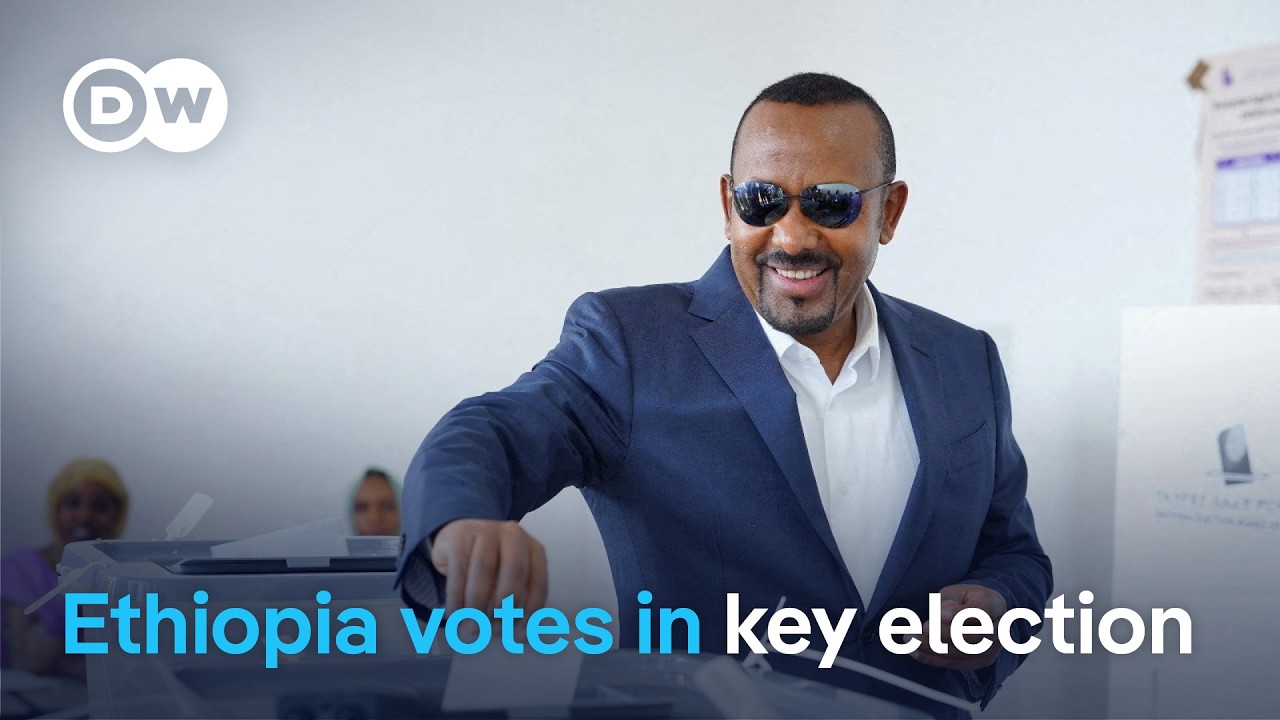
Millions of Ethiopians participated in a crucial election aimed at determining the country's leadership, with Prime Minister Abiy Ahmed expected to retain power. While voter turnout was strong in Addis Ababa, significant portions of the nation remained excluded from the process due to persistent conflict. Voting was not conducted in Tigray, and security concerns disrupted operations in parts of Oromia and Amhara regions. These omissions underscore the ongoing regional instability and the challenges in achieving inclusive democratic participation across the country.
The outcome of the election raises questions about the legitimacy of the results, particularly given that millions of citizens were unable to vote. International observers have expressed concern over the exclusion of affected areas, highlighting the tension between democratic ideals and real-world conditions. As Ethiopia faces complex internal divisions, this electoral event stands as a defining moment for national unity and governance. The path forward will depend on how well the government addresses these disparities and fosters reconciliation among its diverse communities.