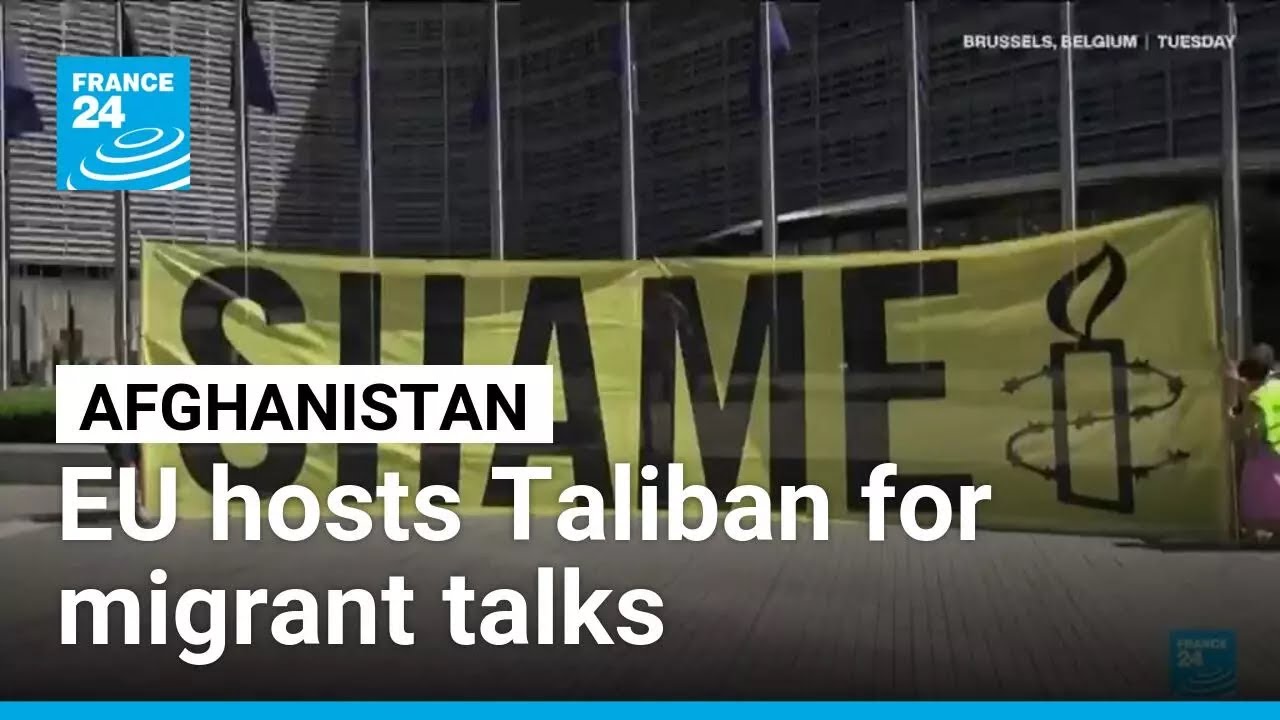
The European Union has held its first formal meeting with a Taliban delegation in Brussels, focusing on the growing migrant crisis stemming from Afghanistan. Officials emphasized the need for cooperation to manage the return of individuals whose asylum applications have been denied. This diplomatic step marks a notable shift in EU policy, as it engages directly with the de facto authorities in Kabul despite ongoing concerns about human rights and governance under Taliban rule. The discussions aim to establish practical frameworks for repatriation while navigating complex geopolitical challenges.
Human rights groups have voiced strong opposition to the engagement, warning that dialogue with the Taliban risks normalizing a regime known for widespread restrictions on freedoms and systemic discrimination. Critics argue that such meetings may undermine international principles and diminish accountability. The EU maintains that the talks are essential for managing migration flows and ensuring stability, even as they face criticism for prioritizing policy outcomes over ethical considerations. The meeting underscores the difficult balance between security needs and adherence to democratic values in global diplomacy.