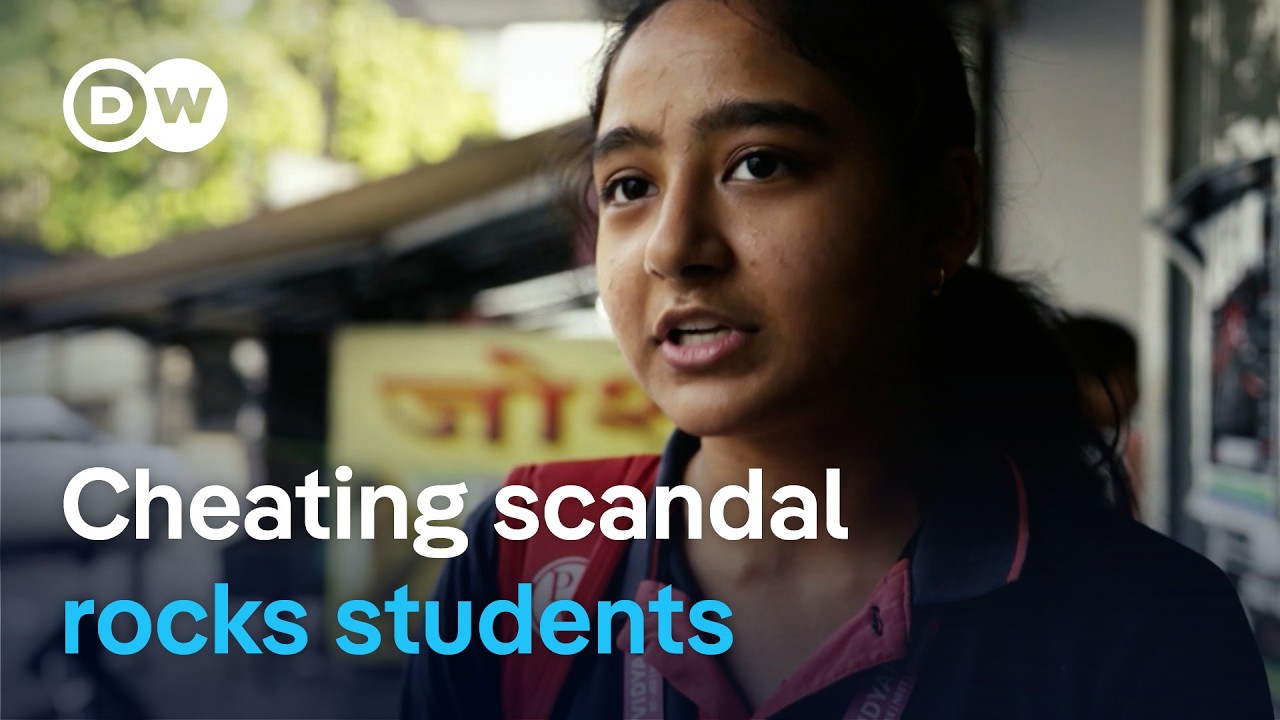
The Indian government has blocked access to the Telegram messaging app in response to a major scandal involving the leak of exam papers for the National Eligibility cum Entrance Test (NEET), a critical medical entrance examination. The original test was canceled after evidence emerged of widespread cheating, sparking nationwide protests and deepening public anger. Students and families have expressed outrage over the breach of trust, with several tragic cases of student suicides linked to the fallout. Educators and youth activists have criticized systemic corruption within India’s high-stakes exam culture, calling for urgent reforms. The decision to reschedule the NEET remains controversial, as many feel the disruption undermines fairness and transparency.
The crisis has drawn attention to broader issues in India's education infrastructure, particularly the pressure placed on young people to succeed in competitive exams. As investigations continue, millions of aspiring medical professionals face uncertainty about their futures. The block on Telegram, aimed at curbing further dissemination of leaked material, has also raised concerns about digital freedoms and government overreach. Despite these measures, public demand for accountability and systemic change remains strong. The situation underscores the need for greater oversight and integrity in national examinations.