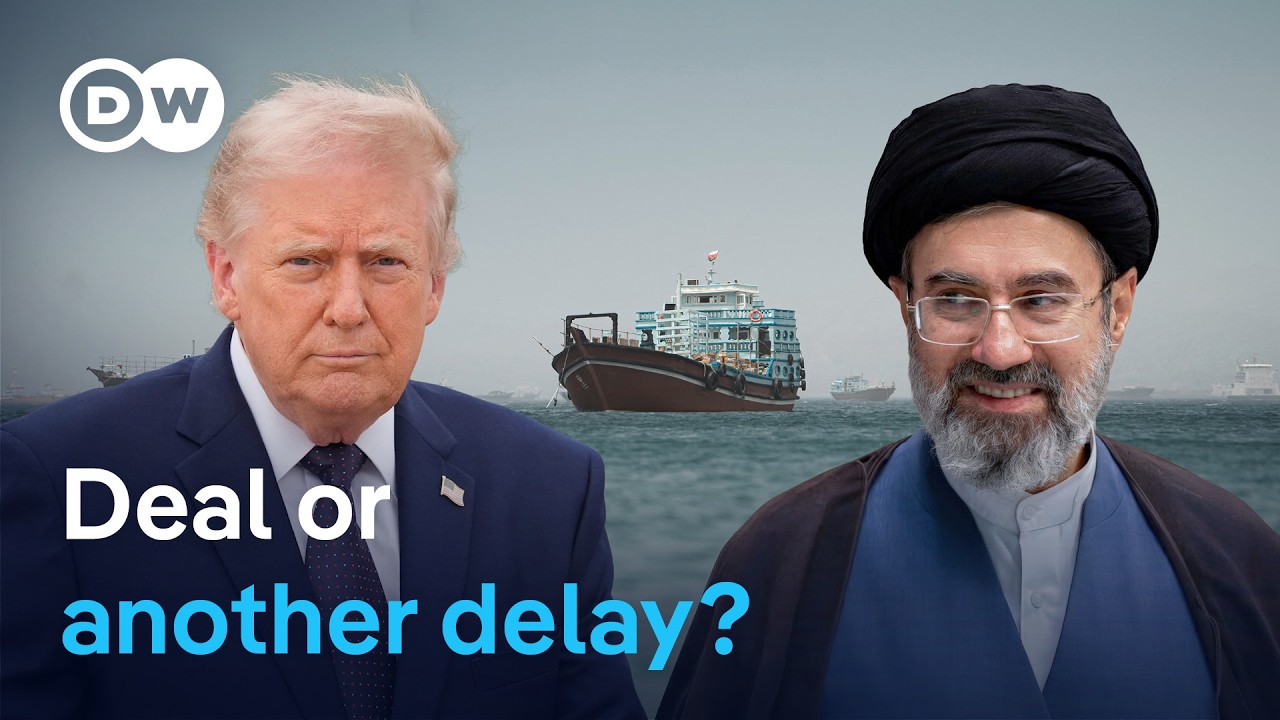
President Trump asserts that a deal with Iran is nearing completion, potentially restoring access to the Strait of Hormuz, a vital global oil transit route. The proposed agreement reportedly includes a 60-day extension of a ceasefire and aims to reduce the risk of escalation into a broader regional conflict. However, discrepancies between official statements from Washington and Tehran suggest significant gaps in understanding or commitment. Analysts highlight that differing narratives from both sides may reflect deeper disagreements over core issues, including nuclear activities, regional influence, and security guarantees.
Political scientist Simon Mabon evaluates the substance of the negotiations, questioning whether the current framework can resolve long-standing tensions. He emphasizes that without mutual clarity and trust, even temporary agreements may fail to produce lasting stability. The report underscores the challenges posed by conflicting accounts and the absence of verifiable progress. While the potential for de-escalation exists, the path to a durable deal remains uncertain, especially amid ongoing geopolitical uncertainty in the Middle East.