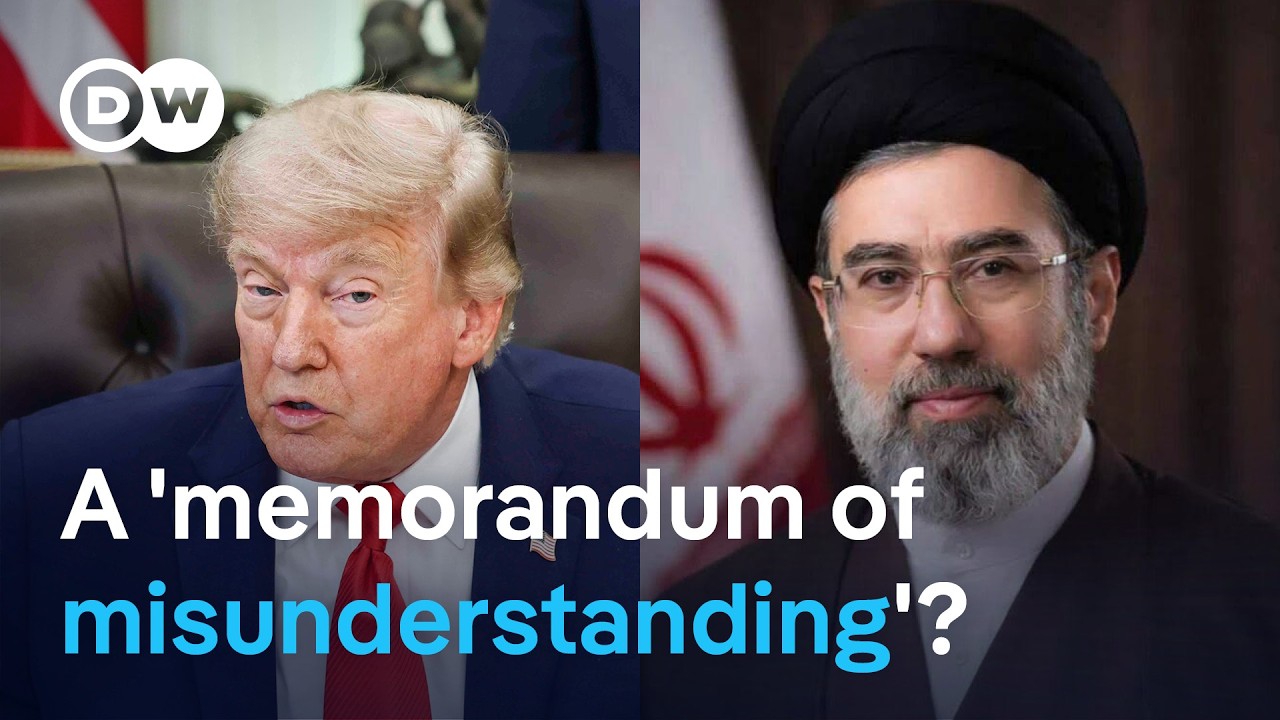
A potential agreement between the United States and Iran may signal progress, but it does not guarantee lasting stability in the region. Former Middle East negotiator Aaron David Miller highlights that key issues like uranium enrichment thresholds and the security of the Strait of Hormuz remain unresolved. These matters demand extensive follow-up discussions that have yet to begin, complicating efforts to build trust among regional actors. The concerns of neighboring Gulf states further complicate the path toward peace, as their security perceptions are deeply influenced by Iran’s military posture and influence.
Even if an initial deal is signed, experts stress that this marks only a starting point in a prolonged diplomatic journey. Without concrete solutions to fundamental security challenges, the underlying tensions are likely to persist. The report underscores that regional dynamics involve more than bilateral negotiations—ongoing geopolitical rivalries, proxy conflicts, and strategic competition continue to shape the environment. Achieving sustainable peace will require sustained engagement, transparency, and cooperation beyond the scope of any single agreement.