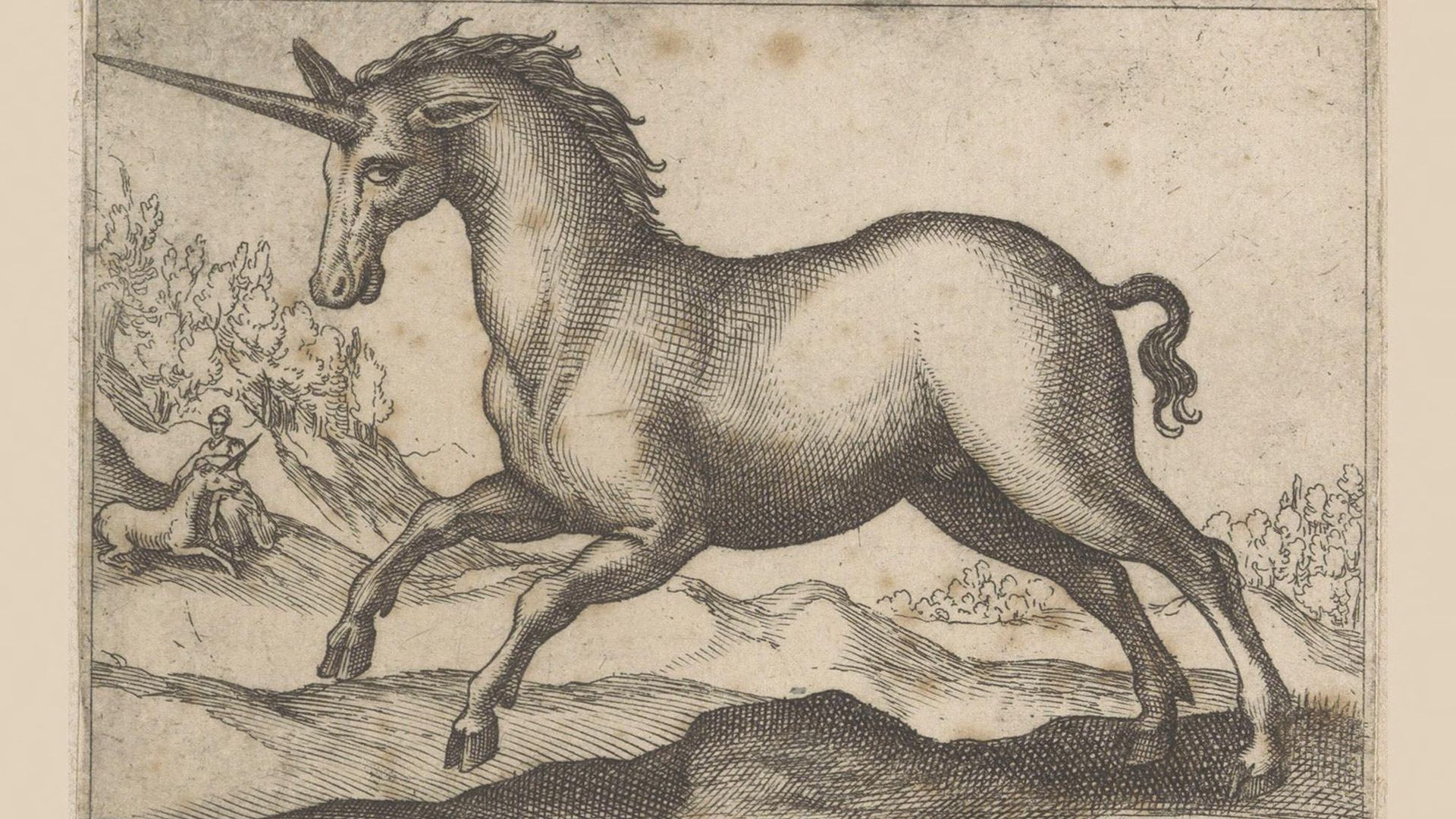
“Fossils in the Middle Ages: How Medieval Minds Explained Prehistoric Bones Before Paleonto” — what this page in the network covers. Before the science of vertebrate paleontology emerged, medieval Europeans encountered the fossilized remains of mammoths, dinosaurs, and other ancient creatures — and they struggled to make sense of them. In his new book, 'The Story of the Mammals in 25 Discoveries,' paleontologist Donald R. Prothero explores how these mysterious bones were often attributed to mythical giants, dragons, or biblical figures like the Nephilim.
The idea of extinction was considered blasphemous, as it contradicted the belief in a perfect, unchanging creation. Fossils were sometimes ground into powder for folk medicine, or displayed as curiosities in churches and noble collections. Prothero explains that without a concept of deep time or evolution, medieval scholars had no framework to recognize these remains as evidence of long-lost species. For the complete material, the listing points back to the source inside the network.