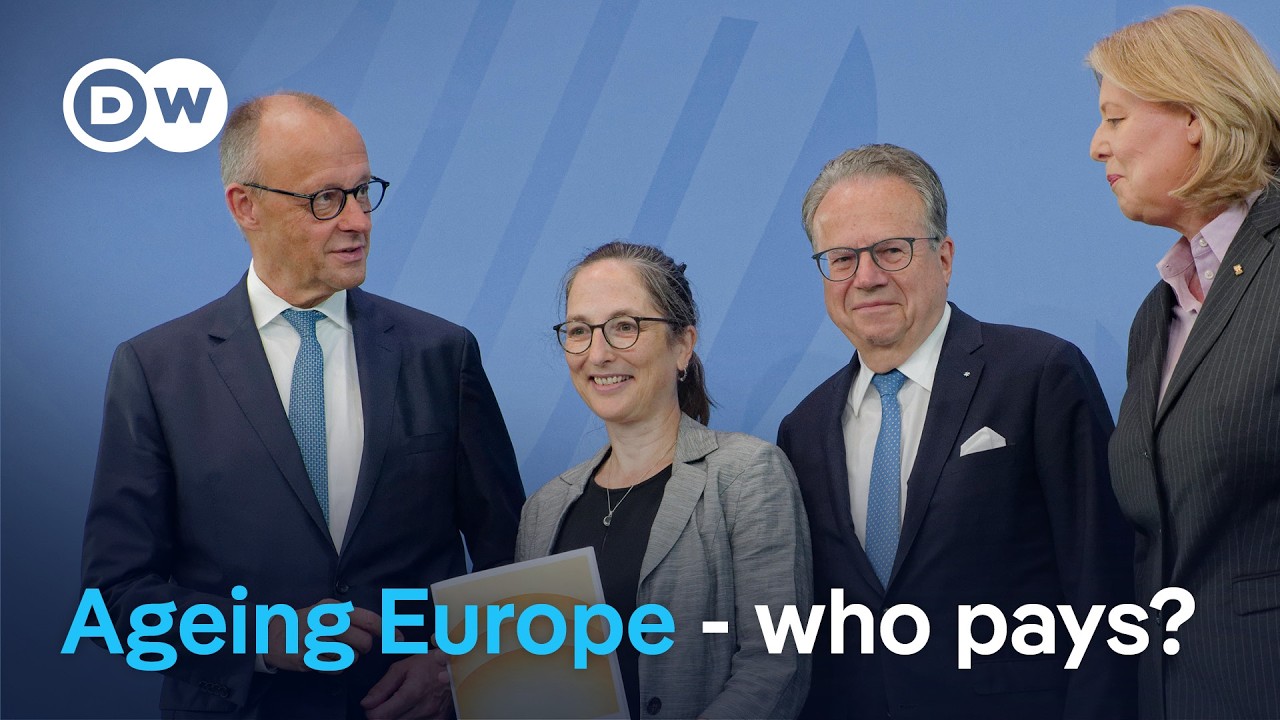
Germany is undergoing a critical phase in reshaping its pension system amid rising concerns over an aging population. With fewer working-age individuals supporting a growing number of retirees, policymakers are pushing reforms such as gradually increasing the retirement age and adjusting contribution rates. These measures aim to ensure long-term financial stability for the pension fund, but they have sparked debate about fairness and intergenerational equity. Younger workers worry about longer working lives, while retirees fear reduced benefits, creating political tension across party lines.
The outcome of Germany’s reform efforts could influence how other European nations address similar demographic challenges. As a key economic power, Germany’s ability to balance fiscal responsibility with social protection may set a precedent for sustainable pension models. The video report highlights the complexity of aligning political will with public support, emphasizing that any lasting solution must consider both economic realities and societal expectations.