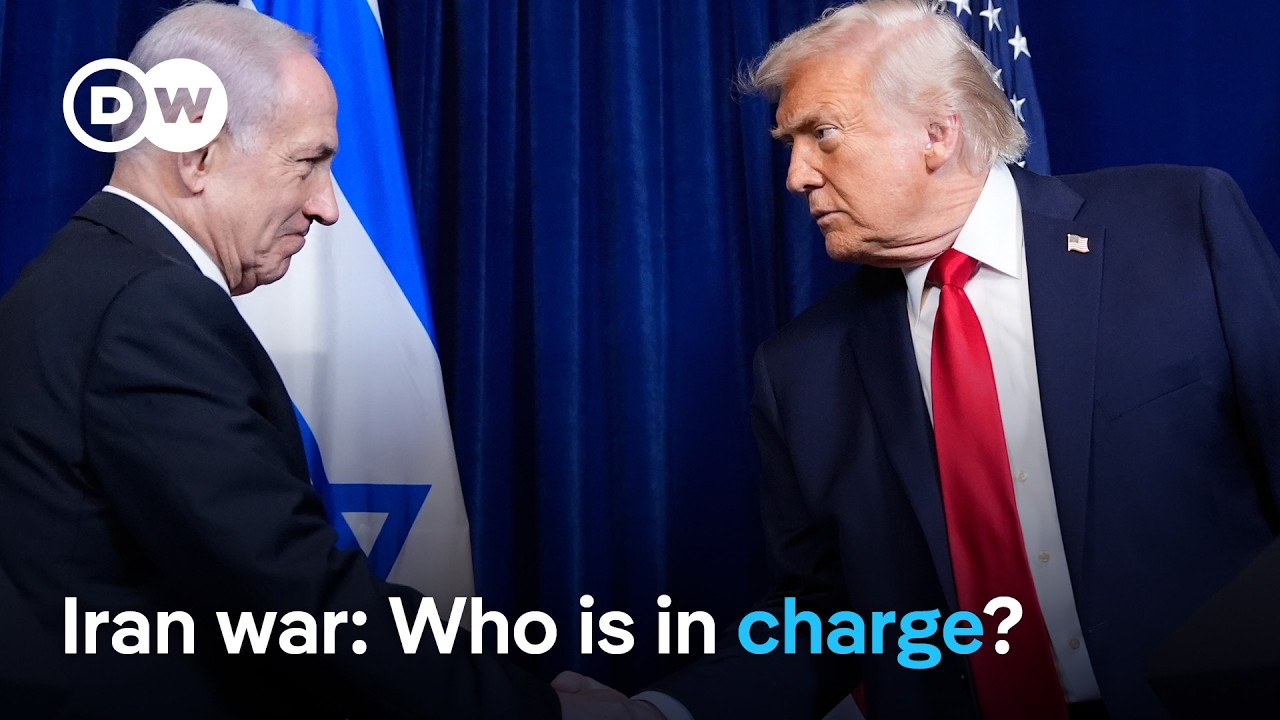
As tensions between Iran and regional powers continue to escalate, questions have emerged about the extent of Israel’s influence on U.S. foreign policy decisions. Some critics, including certain supporters of former President Donald Trump, speculate that Israel may have pushed the United States into a costly and unpopular conflict. However, Mairav Zonszein, a senior analyst at the International Crisis Group, argues that attributing U.S. military engagement to Israeli pressure oversimplifies the situation. She notes that Trump’s own history of provocative rhetoric and willingness to take bold diplomatic risks suggests he was inclined toward confrontation regardless of external influence.
The discussion highlights broader concerns over how geopolitical alliances shape international conflicts, particularly in the Middle East. While Israel has long maintained a strategic interest in countering Iran's regional ambitions, analysts emphasize that U.S. decision-making involves multiple factors beyond any single ally’s input. The ongoing crisis has led to rising energy prices and global economic instability, fueling debate over the costs and consequences of military escalation. As the situation evolves, scrutiny remains focused on the interplay between leadership style, alliance dynamics, and long-term security strategy.