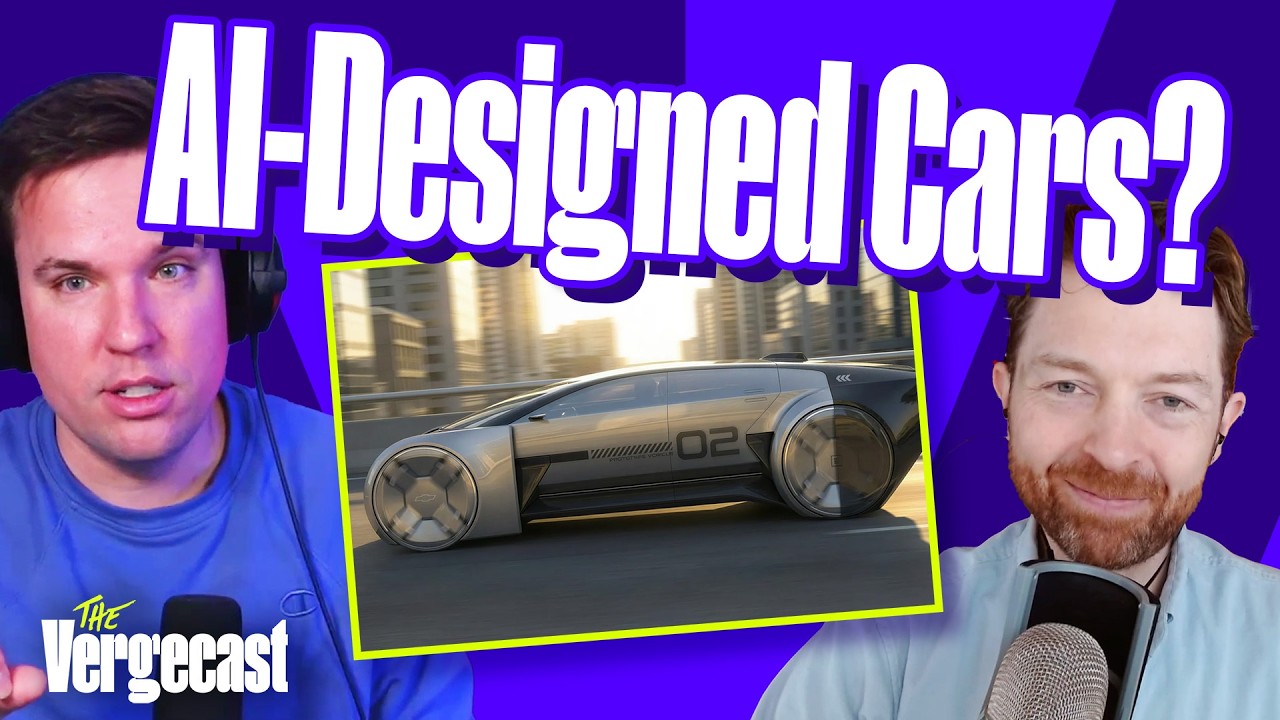
Automotive manufacturers are integrating artificial intelligence into every stage of vehicle development, from initial concept to final testing. AI enables faster simulation of design prototypes, optimizes material usage, and enhances safety features through predictive modeling. These advancements reduce time-to-market and allow for more personalized vehicle experiences. As a result, car design is becoming increasingly data-driven, with AI identifying patterns in user behavior and performance metrics to guide engineering decisions.
The shift also impacts the industry workforce, as roles evolve to include AI oversight, data analysis, and system integration. While some traditional jobs may be affected, new opportunities are emerging in tech-focused automotive positions. The transformation is part of a broader trend where AI tools streamline complex processes across sectors. This ongoing evolution reflects a fundamental change in how vehicles are created and managed, setting the stage for smarter, more efficient transportation systems in the years ahead.