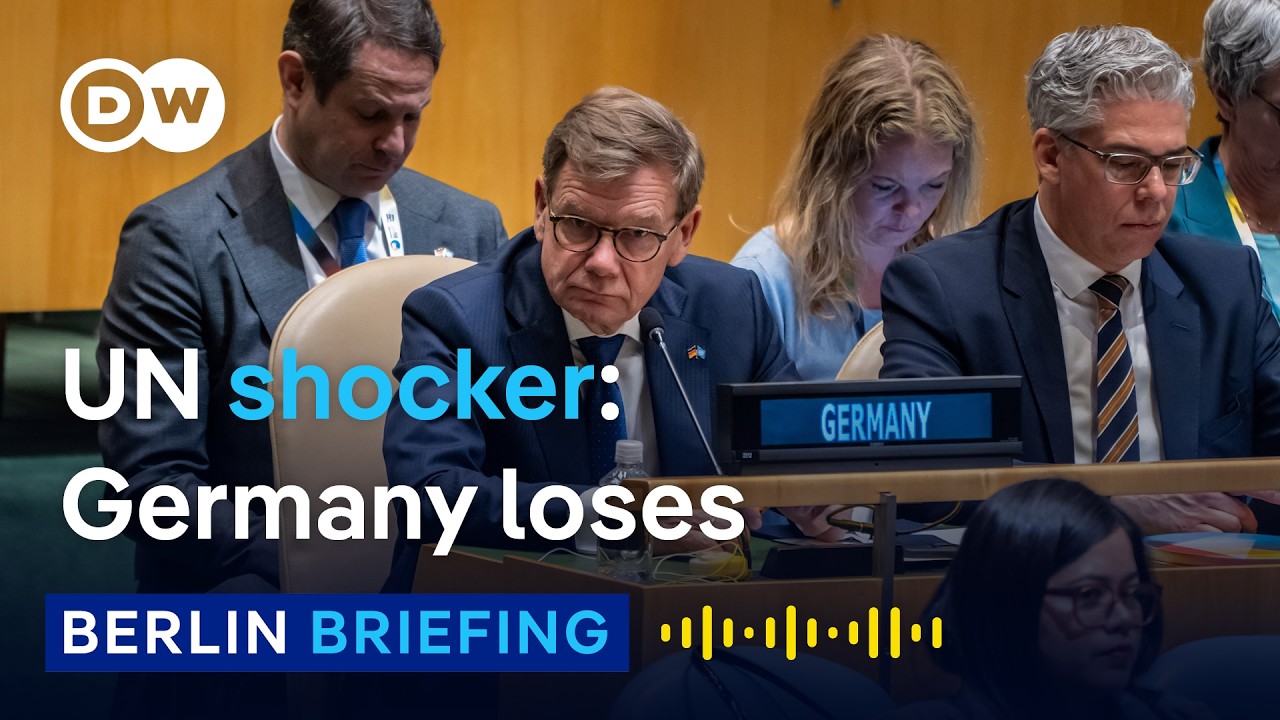
Germany’s bid for a UN Security Council seat ended in unexpected failure, shocking observers who had anticipated a smooth victory. The campaign unraveled amid intense behind-the-scenes negotiations, where strategic alliances shifted unexpectedly. Russia’s subtle influence and Germany’s position on the Israel-Gaza conflict emerged as key challenges, undermining support from several member states. Experts highlight how long-standing diplomatic efforts by nations like Austria—emphasizing consistency and regional cooperation—gave them an edge over Germany’s more rigid approach.
The report reveals the complex dynamics of international diplomacy, likening the process to "speed-dating" where fleeting relationships can determine outcomes. It underscores how years of persistent outreach and careful relationship-building can outweigh perceived strength or prestige. By dissecting the vote, the analysis offers insight into the hidden forces shaping global governance and the delicate balance of power within the United Nations.