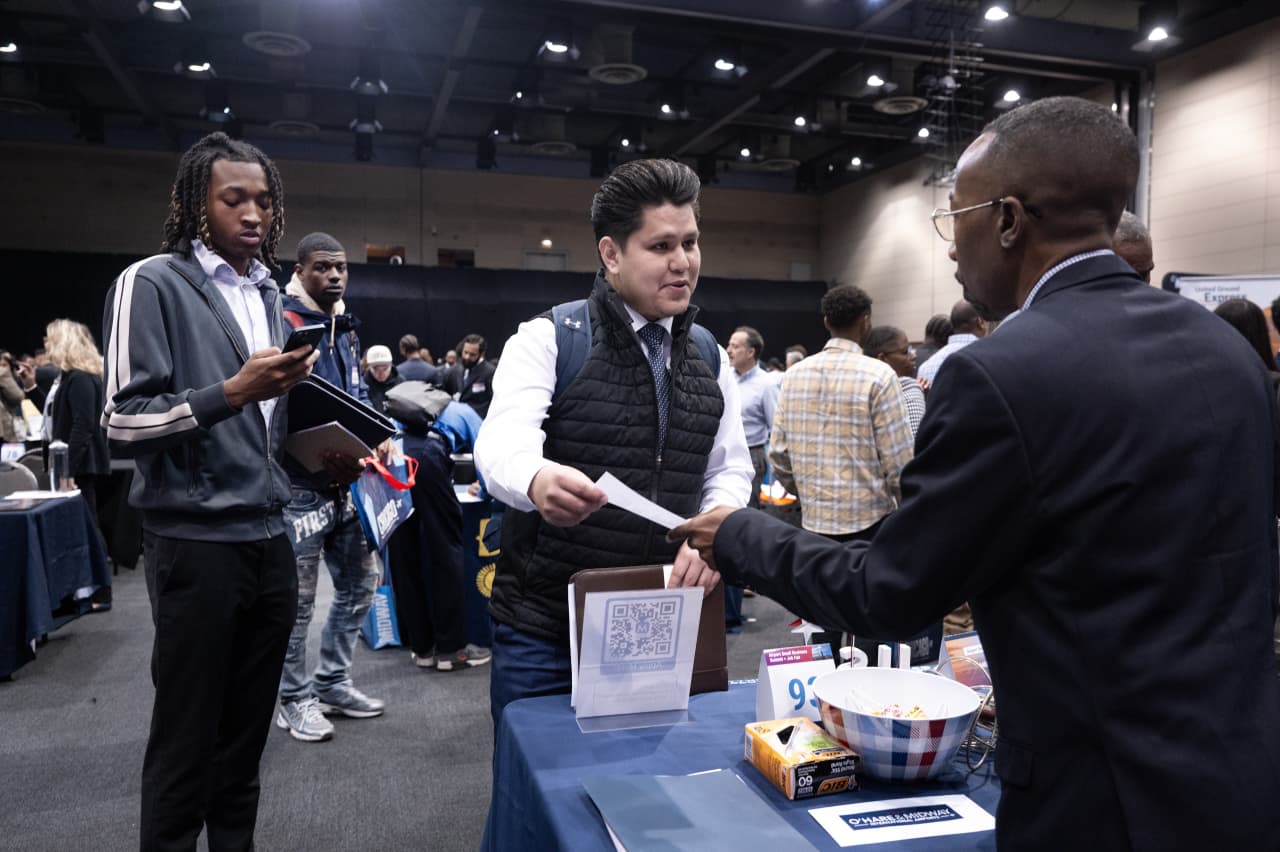
The U.S. labor market shows strong overall hiring trends, yet these gains mask deep disparities across different worker groups. Despite rising job numbers, younger job seekers face increasing difficulty entering the workforce due to higher credential requirements for entry-level roles. At the same time, older workers continue to encounter barriers rooted in age-related biases, limiting their employment opportunities even as companies expand staffing. These challenges persist alongside rapid technological change and a growing emphasis on skills-based hiring, which often favor candidates with specific digital competencies not widely accessible through traditional education systems.
This shift has exposed a widening gap between available jobs and the qualifications of many job seekers. While automation and remote work are reshaping industries, existing training programs struggle to keep pace with evolving skill demands. As a result, many individuals remain excluded from economic growth despite broad employment increases. Addressing these structural issues requires targeted policies that promote equitable access to education, reskilling, and inclusive hiring practices. Without such measures, long-term labor market stability and sustainable economic expansion will remain at risk.