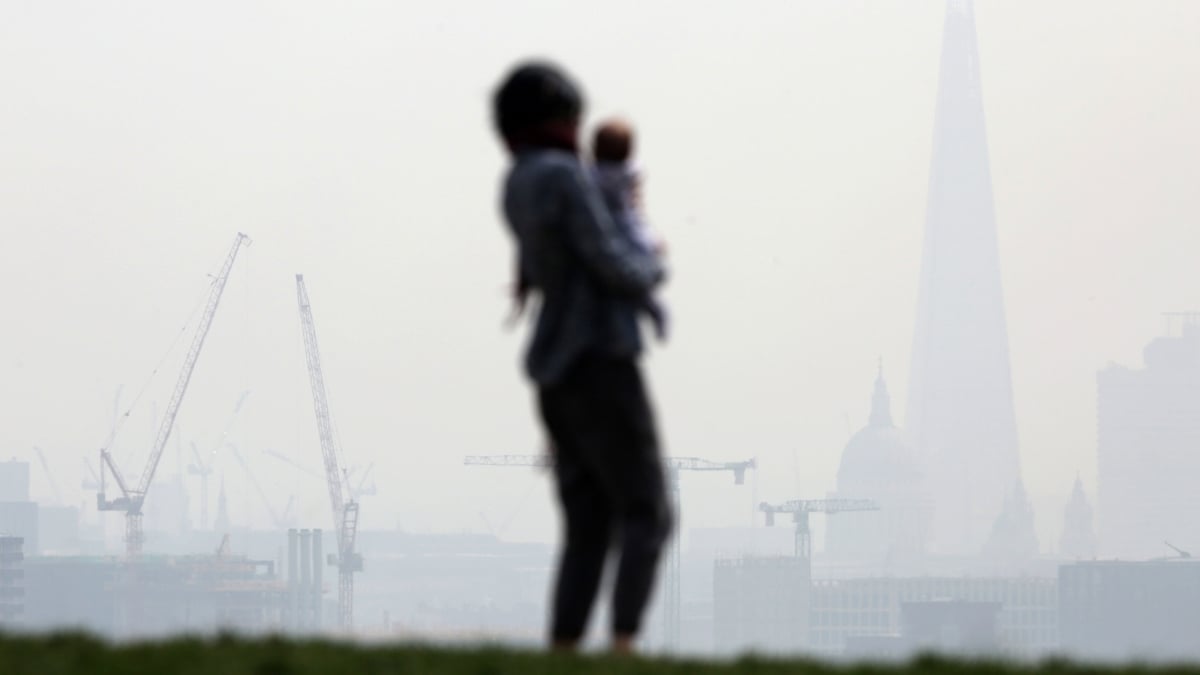
London’s Low Emission Zone has led to measurable improvements in children’s respiratory health, according to early data from recent studies. Areas within the LEZ have seen a notable decline in cases of asthma and other breathing issues among young residents. This positive trend is linked to reduced levels of nitrogen dioxide and fine particulate matter, pollutants known to exacerbate respiratory conditions. The zone’s restrictions on high-emission vehicles have contributed to cleaner air in urban neighborhoods, particularly where children spend significant time.
The findings highlight the effectiveness of targeted environmental policies in protecting vulnerable populations. As pollution levels drop, so too do health-related hospital visits and symptom reports in children. These results underscore the importance of urban planning that prioritizes air quality. The success of London’s initiative offers a practical example for cities aiming to reduce emissions while supporting public health through sustainable transportation measures.