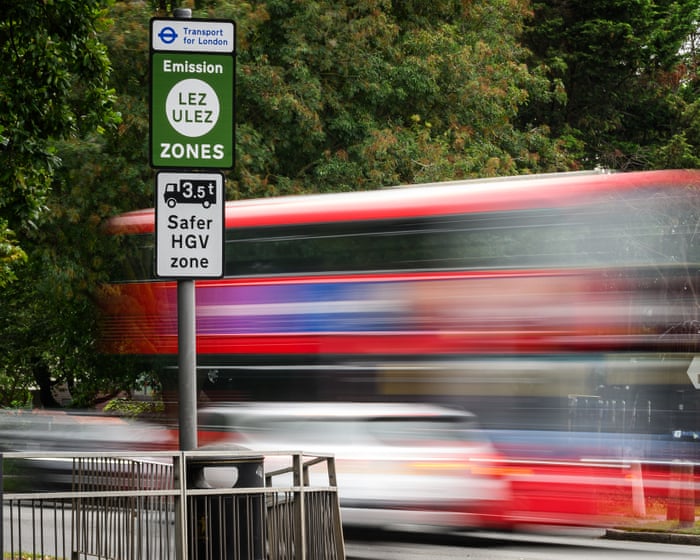
The Ultra Low Emission Zone in London has demonstrated measurable improvements in air quality, offering a model for cities aiming to combat urban pollution. Its success highlights the potential of targeted environmental regulations to protect public health, especially in densely populated areas. Yet, efforts to replicate this approach elsewhere encounter strong resistance, often rooted in false narratives about economic impact and vehicle restrictions. Misinformation spreads rapidly through social media and political channels, undermining public support and complicating policy implementation.
Cities such as Barcelona and Bogotá face similar challenges when introducing emission controls, where advocacy groups must contend with powerful interests and public skepticism. Personal experiences, like that of Alastair Harper whose child faced breathing difficulties due to poor air, reveal the human toll of inaction. These stories emphasize the moral imperative behind clean air policies. For global adoption to succeed, strategies must go beyond technical solutions to include transparent communication, community engagement, and resilience against coordinated disinformation campaigns.