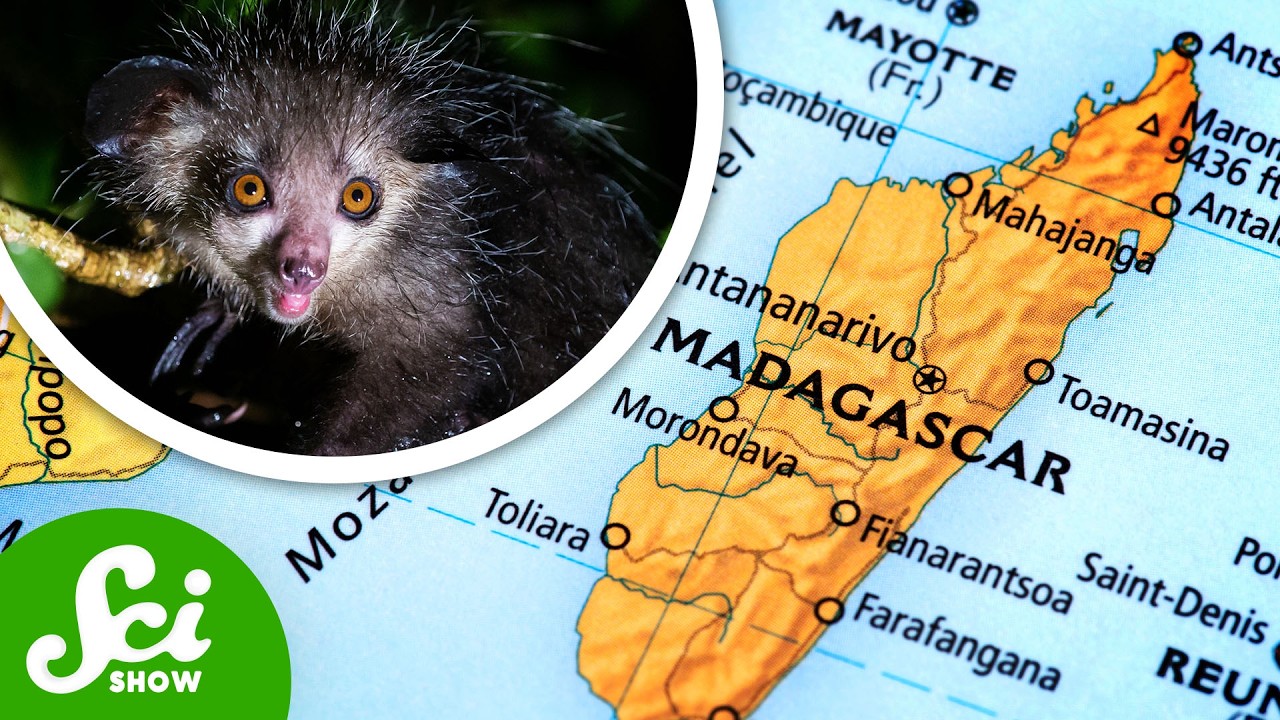
Madagascar’s rich biodiversity stems from a complex geological history that set the stage for unique evolutionary developments. The island’s separation from both Africa and India over millions of years created prolonged isolation, allowing species to evolve independently. This dual detachment contributed to the emergence of distinct ecological niches, fostering the rise of endemic plants and animals found nowhere else on Earth.
The island’s dynamic geology, shaped by tectonic activity and shifting landmasses, has influenced climate patterns, topography, and habitat diversity. These factors combined to drive adaptive radiation across countless species. From lemurs to baobabs, Madagascar’s life forms reflect deep connections between geological change and biological evolution. The island stands as a powerful example of how Earth’s physical transformations can directly impact the development of life.