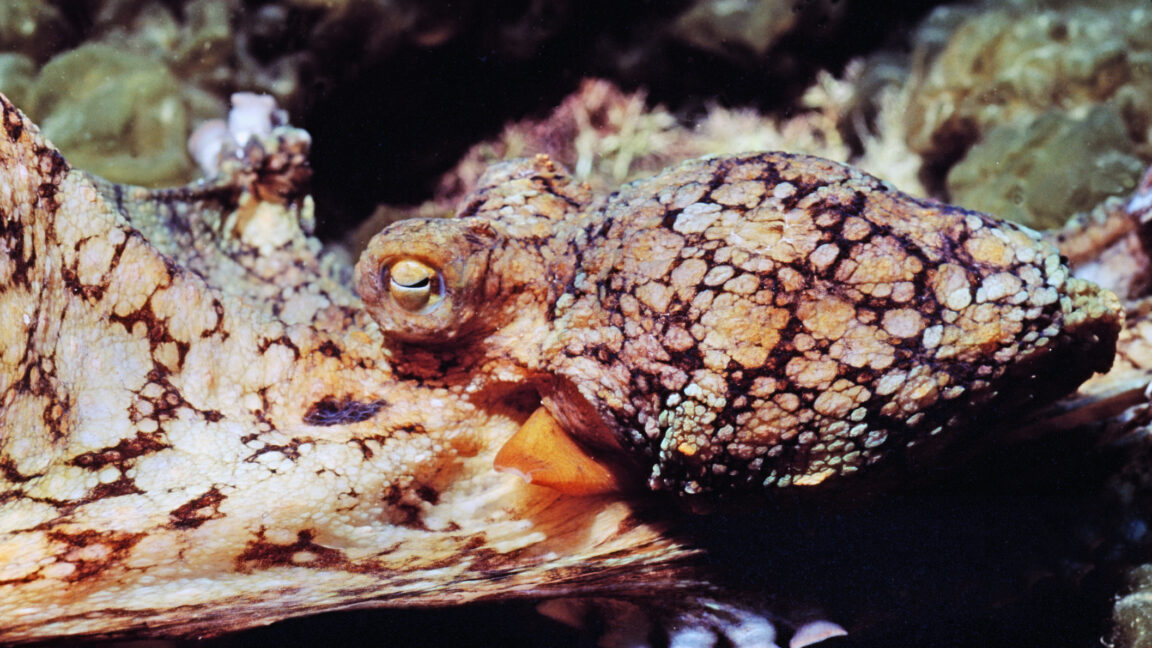
Male octopuses are influenced in their mating behavior by hormones released by females, particularly progesterone. This hormone activates a receptor in males that originally evolved to detect prey, suggesting a surprising overlap between sensory systems and reproductive signaling. The discovery reveals how chemical cues from females can guide male octopuses during courtship, potentially altering their movements and interactions.
This mechanism highlights the complex role of endocrine signals in animal reproduction, especially in species with limited social structures. The shared use of receptors across different biological functions underscores evolutionary adaptability. Researchers believe this finding may offer insights into hormonal regulation in other cephalopods and possibly beyond.