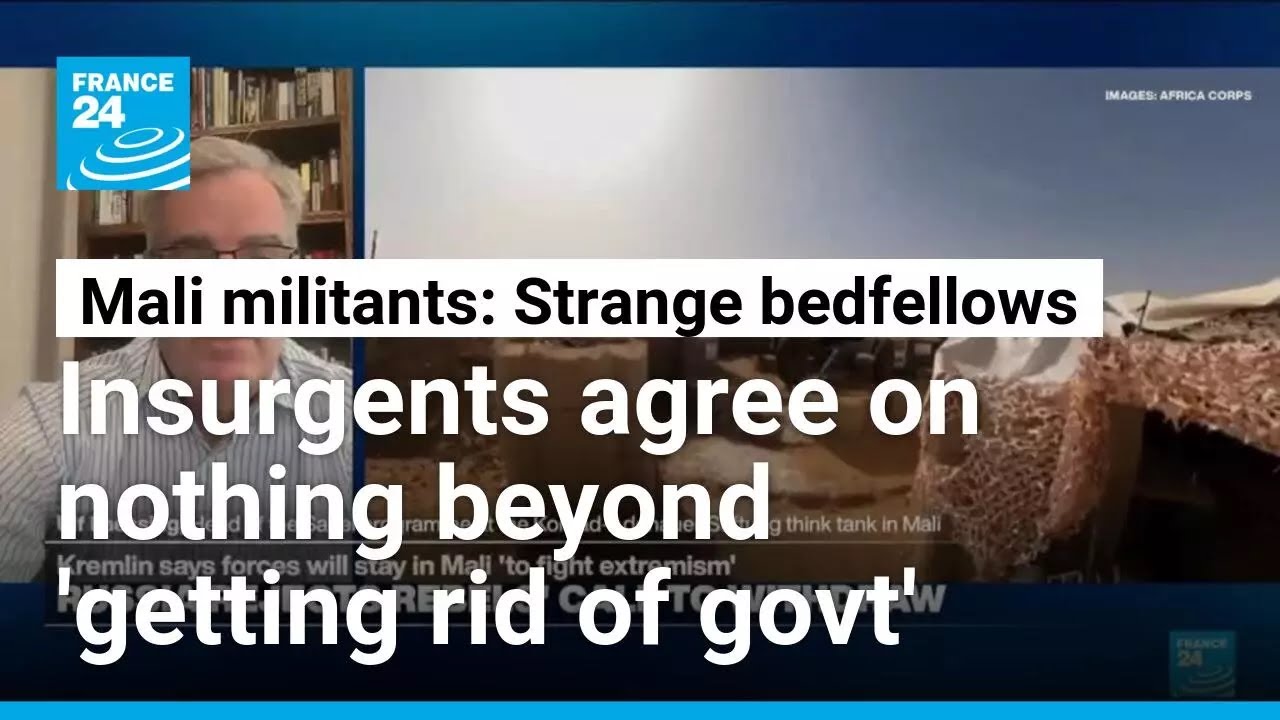
Mali's military junta and its alliance with Russian mercenary groups face growing scrutiny as the country experiences escalating instability. According to Ulf Laessing of the Konrad Adenauer Foundation, the junta’s inability to maintain control is exacerbated by its dependence on a foreign partner whose credibility is eroding. The ongoing conflict in Ukraine has strained Russia’s global commitments, raising doubts about the continued value of its support in Mali. This weakening partnership coincides with a surge in attacks across the region, underscoring systemic failures in governance and security.
Experts note that the temporary coordination between Tuareg separatists and jihadist factions reflects short-term tactical interests rather than a lasting alliance. As internal pressures intensify, both the junta and its Russian allies risk further reputational damage. The situation underscores how external military involvement, when not aligned with stable governance, can deepen rather than resolve crises. The evolving dynamics in Mali highlight the fragility of alliances built on mutual convenience amid broader regional turmoil.