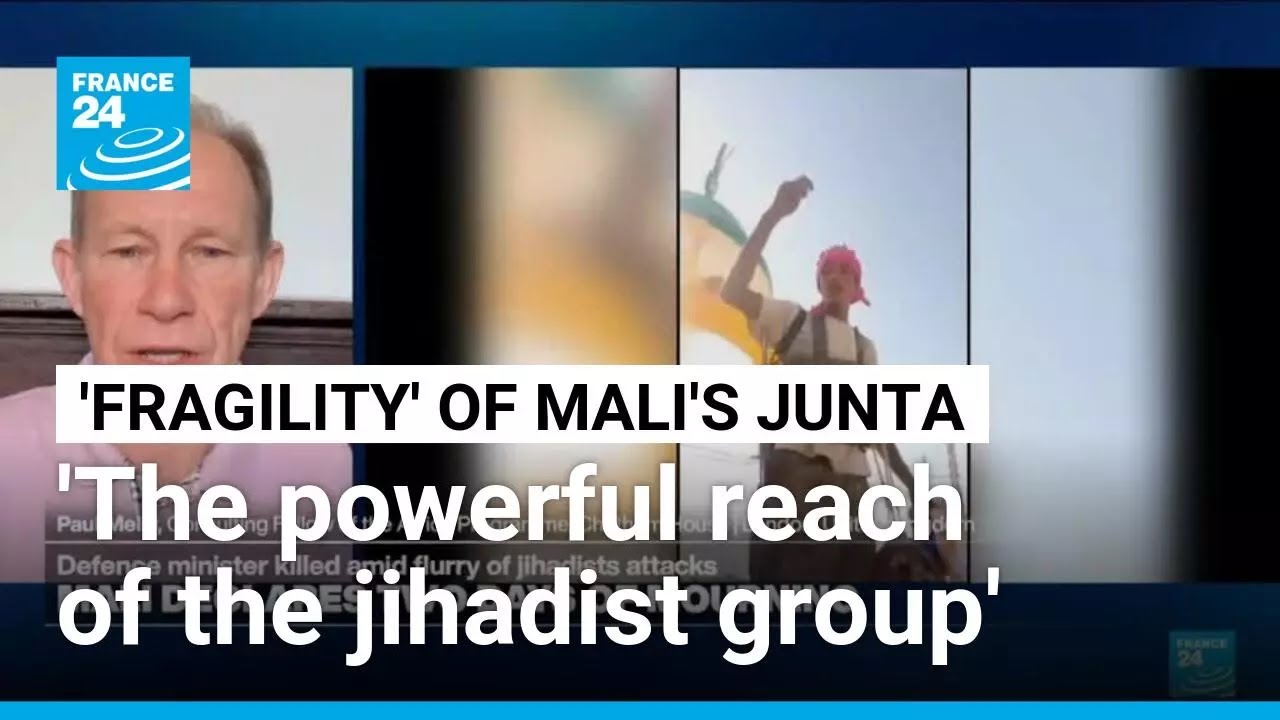
Mali faces a deepening crisis marked by escalating violence and fragmented governance. The Malian military and the Wagner Group struggle to maintain control as jihadist factions and Tuareg separatists expand their operations across the country. This surge in insurgent activity highlights severe limitations in both strategic coordination and operational capacity, leaving large regions effectively ungoverned. The state's authority is increasingly challenged not only on its peripheries but also in central areas, signaling a critical erosion of security and administrative reach.
The withdrawal of international forces has further weakened Mali’s defense posture, creating a power vacuum exploited by multiple armed groups. Despite no immediate signs of state collapse, the government’s ability to project authority is severely compromised. The situation reflects a complex mix of political instability, territorial fragmentation, and military overextension. As attacks grow in frequency and boldness, the risk of prolonged conflict intensifies, with significant implications for regional stability and humanitarian conditions.