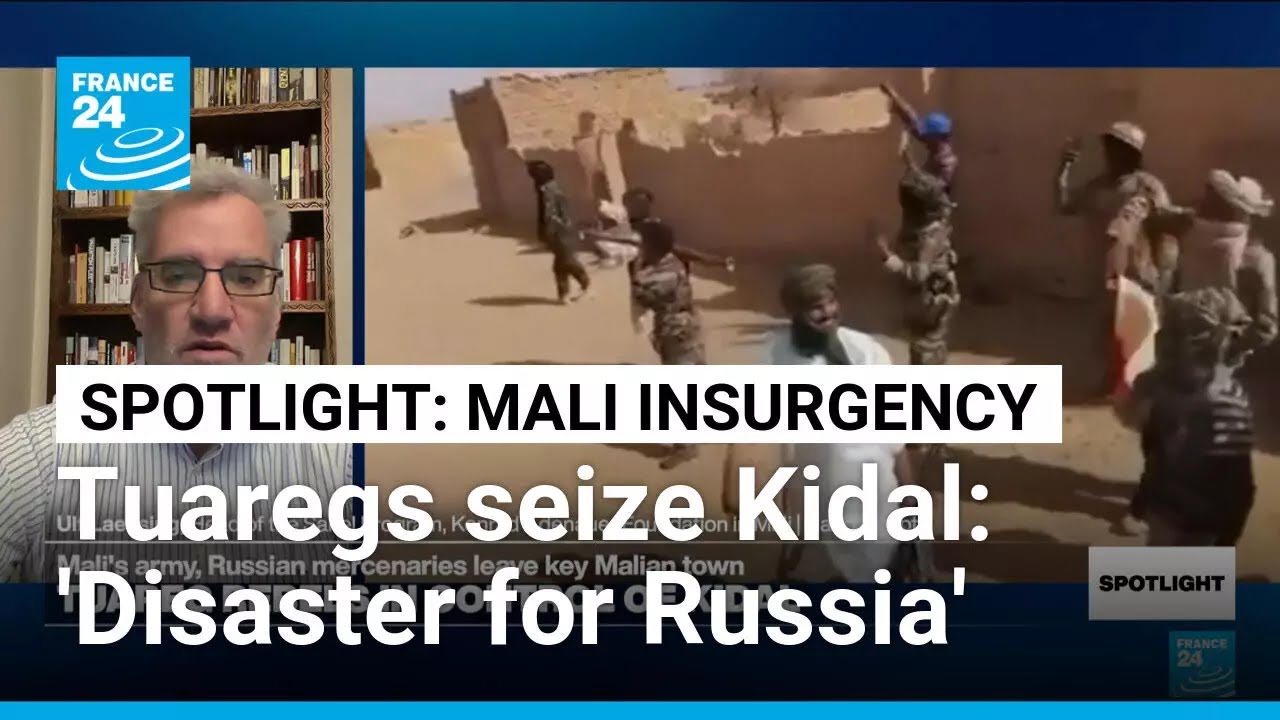
Mali faces a deepening crisis marked by two parallel conflicts: jihadist factions striving to impose a caliphate and Tuareg separatists demanding greater autonomy. These movements reflect long-standing grievances rooted in political exclusion, economic marginalization, and ethnic tensions. The convergence of these insurgencies has shattered the fragile state structures that once held the country together, making governance increasingly difficult and undermining efforts to restore security and stability.
The situation has been further complicated by shifting geopolitical dynamics. Russia’s growing influence, framed as a stabilizing force through military intervention, has instead intensified instability. The use of mercenary forces and heavy-handed tactics has alienated local populations and eroded trust in external actors. This approach fails to address underlying causes of unrest, weakening existing alliances and accelerating Mali’s descent into prolonged conflict.