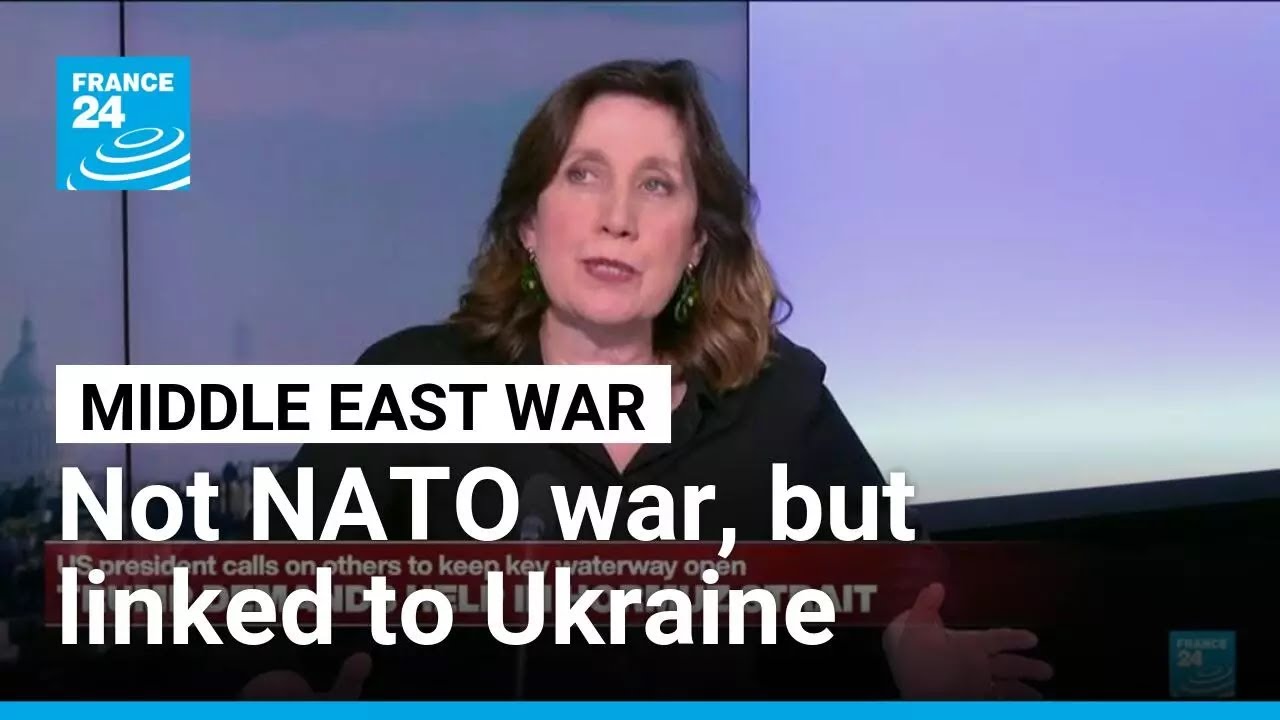
The conflict in the Middle East is not officially a NATO war, but it remains closely linked to U.S. foreign policy, particularly regarding Ukraine. President Donald Trump has urged several nations to deploy naval forces to secure the Strait of Hormuz amid ongoing Iranian attacks on Gulf states. He warned that allies failing to support this effort could face serious consequences for NATO's future. While direct military involvement by NATO is not underway, strategic decisions in the region are influenced by broader U.S. geopolitical priorities.
These priorities include maintaining pressure on Russia through continued support for Ukraine, which shapes American engagement across multiple regions. The situation in the Middle East thus reflects a complex web of international alliances and competing interests. As tensions rise in the Gulf, Washington’s stance on Ukraine continues to inform its approach to regional stability. This interconnectedness underscores how global conflicts are increasingly viewed as part of a larger strategic landscape rather than isolated events.