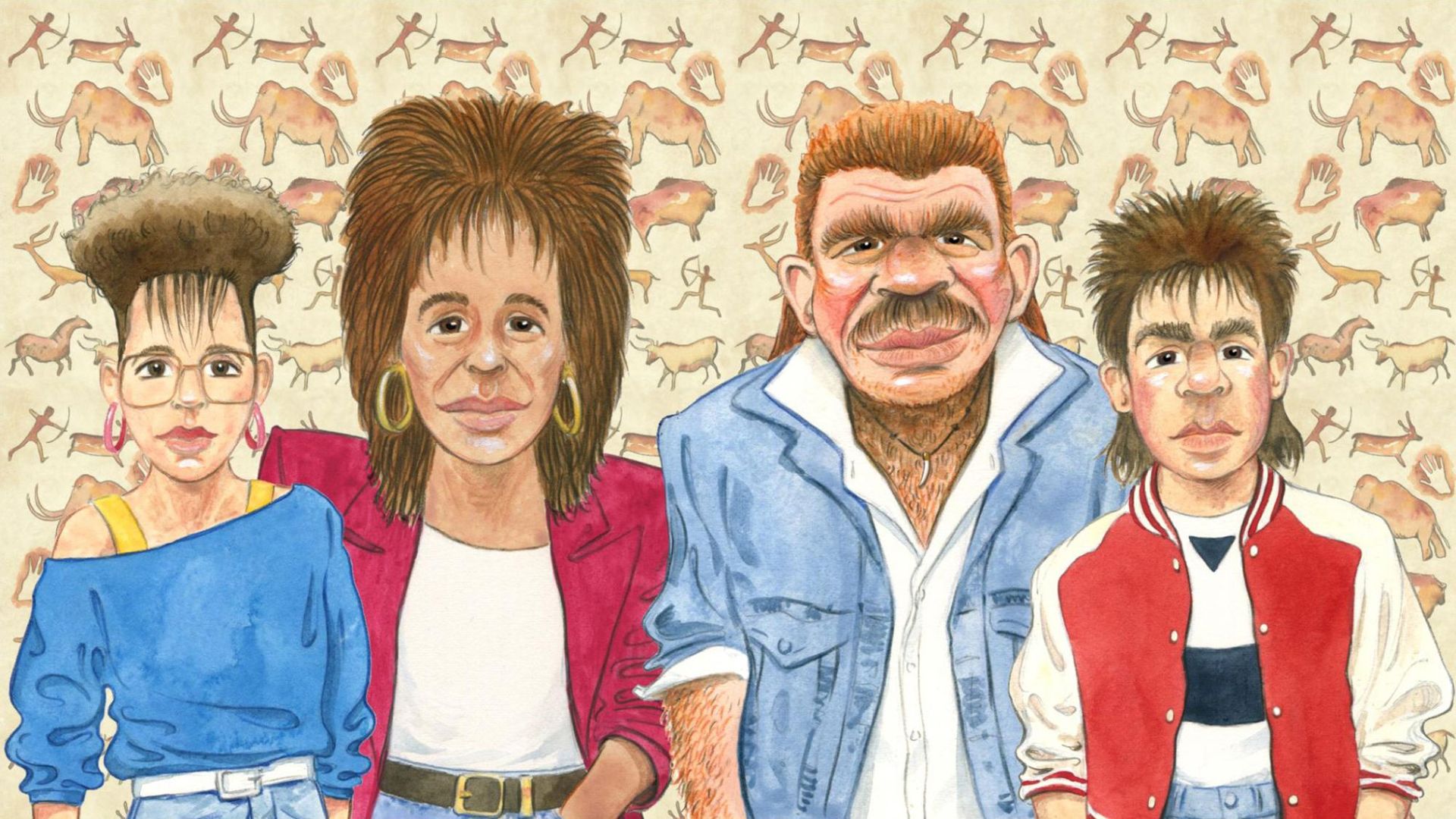
Content overview: “Neanderthal DNA in Modern Humans Reveals Complex, Socially Patterned Ancient Interbreeding”. New research is reshaping how scientists understand the genetic legacy of Neanderthals in modern human populations. While it has long been known that Homo sapiens and Neanderthals interbred, developing studies suggest these ancient encounters were not random. Instead, they appear to have been social Instead, they appear to have been socially patterned and directional, meaning that certain pairings—perhaps involving specific populations or sexes—were more common than others.
This challenges the simpler narrative of occasional, opportunistic mating and points instead to structured interactions between groups over thousands of years. The findings matter because they help explain why Neanderthal DNA persists in some human lineages but not others, and they offer a window into the social dynamics of our extinct relatives. By analyzing patterns of genetic inheritance, researchers can infer not just that interbreeding happened, but how and perhaps why. For the complete material, the listing points back to the source inside the network.