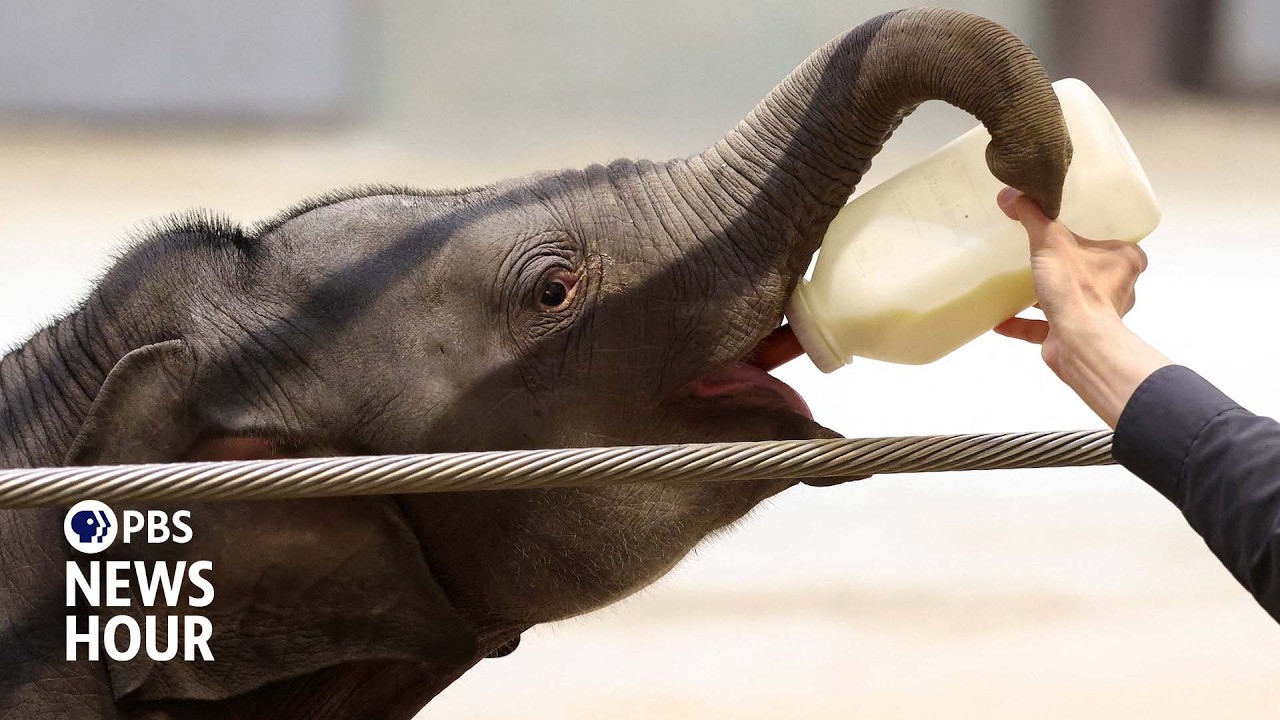
A young elephant at the National Zoo is playing a vital role in efforts to combat elephant endotheliotropic herpesvirus (EEHV), a major threat to young Asian elephants. Despite the virus's high fatality rate, this calf has survived, offering valuable insights into natural immunity. Scientists are studying its immune response to better understand how some elephants resist the disease, which could lead to improved treatments or even a vaccine. The research is part of an international collaboration involving veterinary experts and conservationists working to protect endangered elephant populations.
The baby elephant’s survival has become a beacon of hope for researchers and animal care professionals worldwide. By analyzing its biological data, teams aim to develop new strategies for early detection and intervention. This case highlights the importance of scientific investigation in wildlife health and conservation. The National Zoo’s ongoing work underscores how individual animals can contribute significantly to broader species survival. Deema Zein reports on this critical effort, emphasizing the power of collaboration and innovation in protecting vulnerable wildlife.