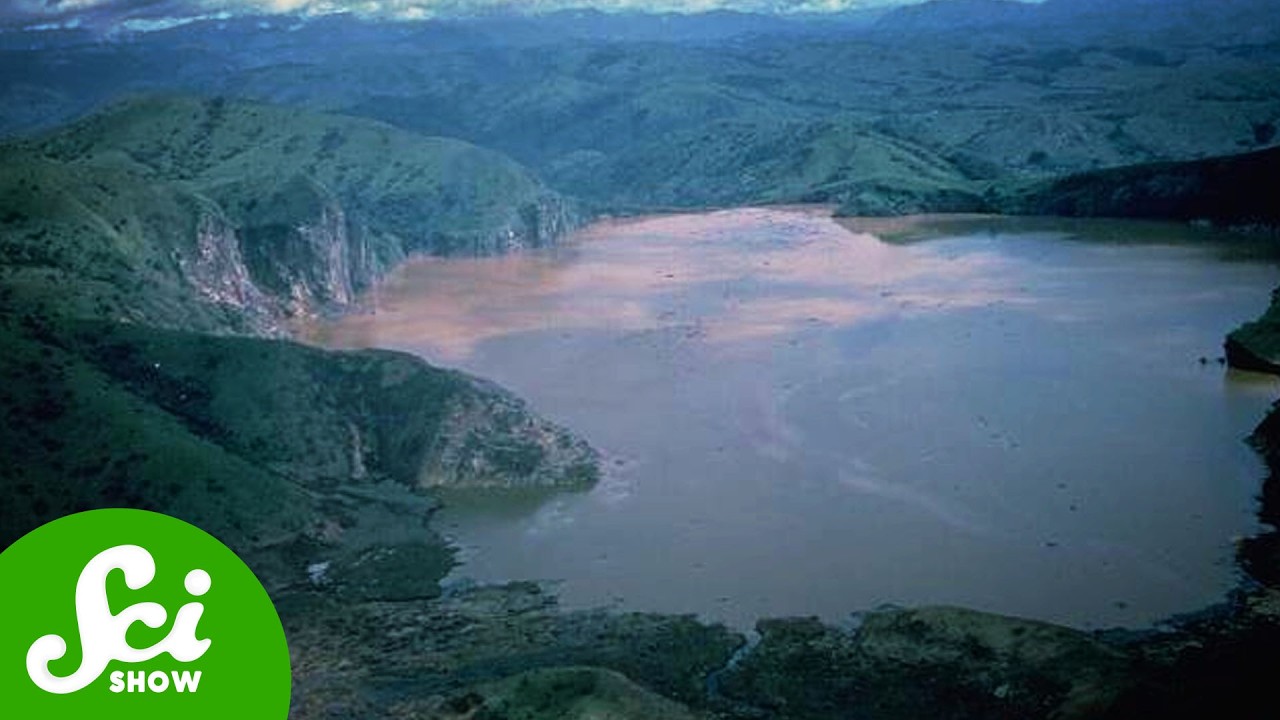
In 1986, a sudden release of carbon dioxide from Lake Nyos in Cameroon caused a deadly gas cloud that killed over 1,700 people and thousands of animals. This rare limnic eruption occurred when dissolved gases built up under the lake’s surface and were suddenly released. The event shocked the scientific community, as such occurrences had been documented only once before. Since then, researchers have worked to prevent future disasters by installing a degassing system designed to slowly release trapped gases.
The solution involves pipes that draw water from deep within the lake, allowing CO2 to escape harmlessly at the surface. This ongoing project has significantly reduced pressure beneath the lake’s surface. The video explores the science behind the disaster, the human impact, and how engineering has transformed a natural threat into a manageable phenomenon. It also highlights similar lakes worldwide that may face similar risks, underscoring the importance of early detection and mitigation efforts.