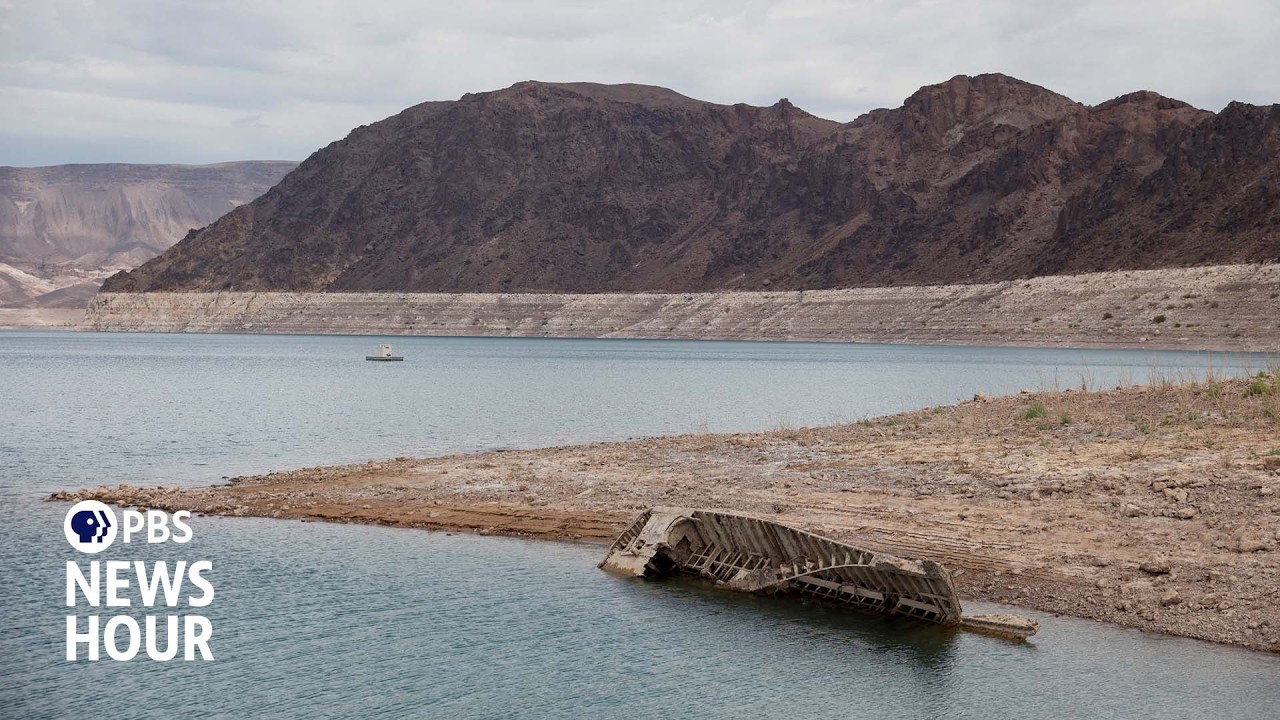
The Colorado River, vital to the western United States, is under severe strain due to prolonged drought and overuse. Federal authorities have introduced mandatory water cutbacks affecting states like Arizona, Nevada, and California. The new framework aims to stabilize critical reservoirs such as Lake Mead and Lake Powell, which have reached historic low levels. With river flow down 20% over the past 20 years, the plan mandates reductions across agriculture, urban areas, and industry. Farmers face the brunt of these changes, while tribal communities gain formal recognition in water allocation discussions for the first time.
This report, part of the 'Tipping Point' series by science correspondent Miles O'Brien, examines the legal, economic, and environmental challenges tied to the crisis. The policy’s implementation has sparked debate over fairness and long-term sustainability. As climate pressures intensify, the region grapples with balancing human needs against ecological limits. The outcome could shape water security for more than 40 million people across the Southwest.