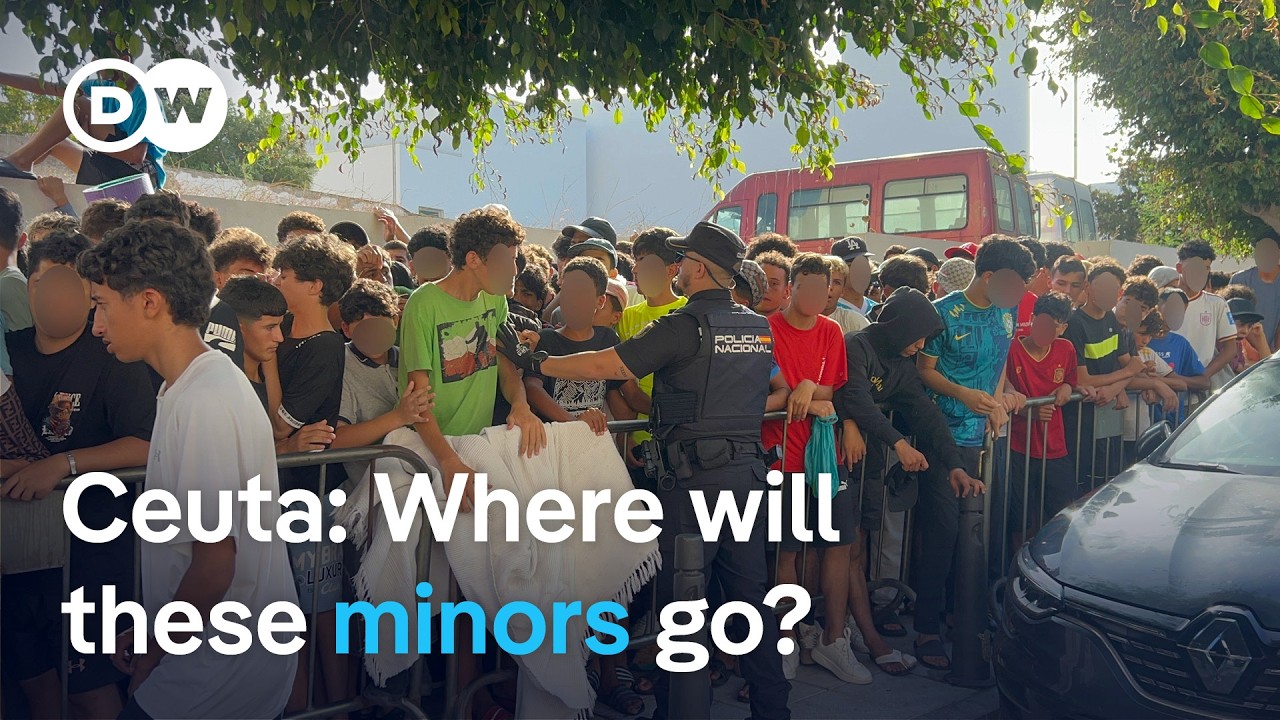
Spain has initiated a large-scale relocation of over 1,300 unaccompanied migrant children from Ceuta, a Spanish territory in North Africa, following a surge in border crossings from Morocco. Many of these minors were found sleeping outdoors due to overcrowded and inadequate facilities. The government’s plan prioritizes younger children and aims to relieve the strain on local services in Ceuta. Authorities are moving the children to mainland Spain for temporary shelter and care, with efforts underway to provide access to education, medical attention, and psychological support.
The humanitarian situation in Ceuta has drawn criticism from residents and aid groups, who argue that the central government has not provided sufficient resources. Concerns persist about the long-term future of these children, many of whom fled violence, poverty, or persecution. While the relocation is intended as a short-term solution, calls are growing for systemic reforms to address migration causes and ensure better protection for vulnerable minors. The ongoing process underscores the complex challenges Europe faces in balancing border control with human rights obligations.