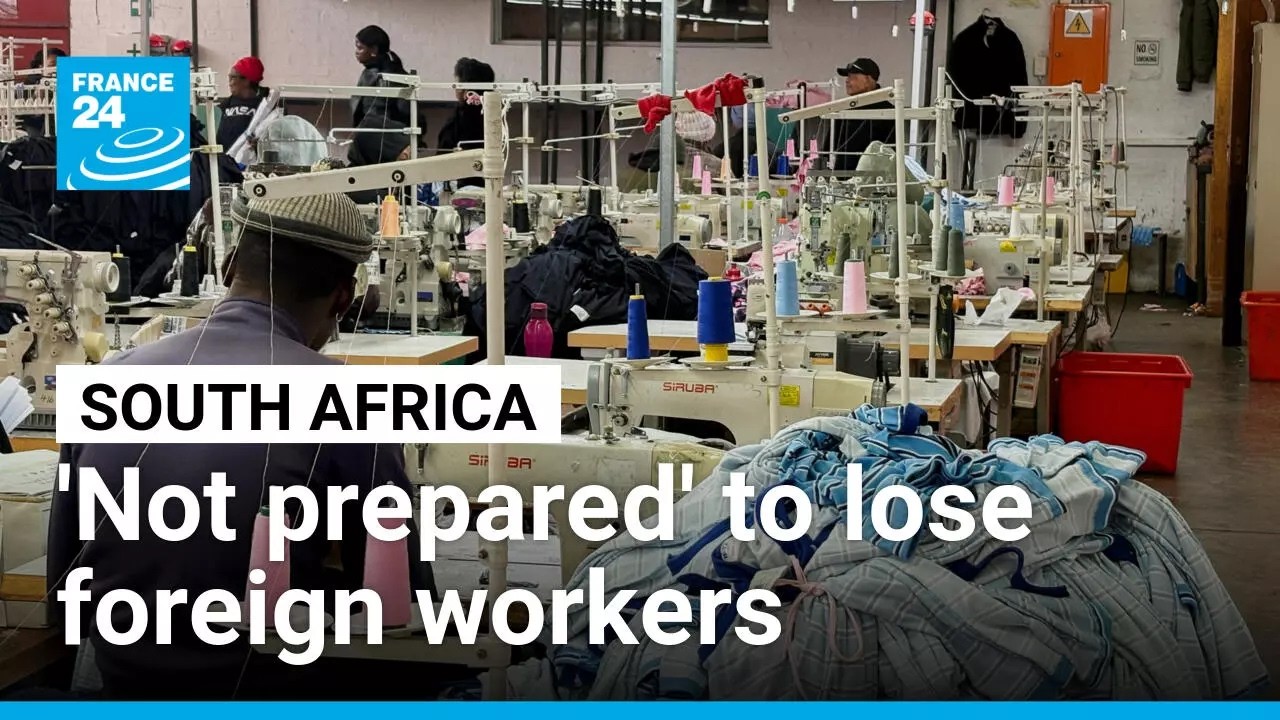
South Africa’s textile industry is experiencing severe disruption after thousands of migrant workers left the country amid rising xenophobic violence. The departure, fueled by anti-immigrant campaigns such as March and March, was intended to create job opportunities for unemployed South Africans, where youth unemployment exceeds 30%. Yet in Newcastle—a key center for textile manufacturing—factory owners report an inability to fill vacant positions. This sudden labor shortage has halted production lines and endangered the viability of numerous small and medium-sized enterprises that depended on the expertise and consistent workforce provided by foreign employees.
Local business leaders emphasize that the promised influx of local jobs has not occurred, as many South Africans lack the technical training needed for textile work. The crisis underscores the tension between national employment goals and the practical demands of a globally integrated economy. With economic stagnation and social instability continuing to shape the national landscape, experts urge policymakers to adopt balanced strategies that support domestic workers while recognizing the essential role of migrant labor. The situation in Newcastle reflects broader systemic challenges across South Africa, where unemployment, inequality, and social conflict remain deeply intertwined.