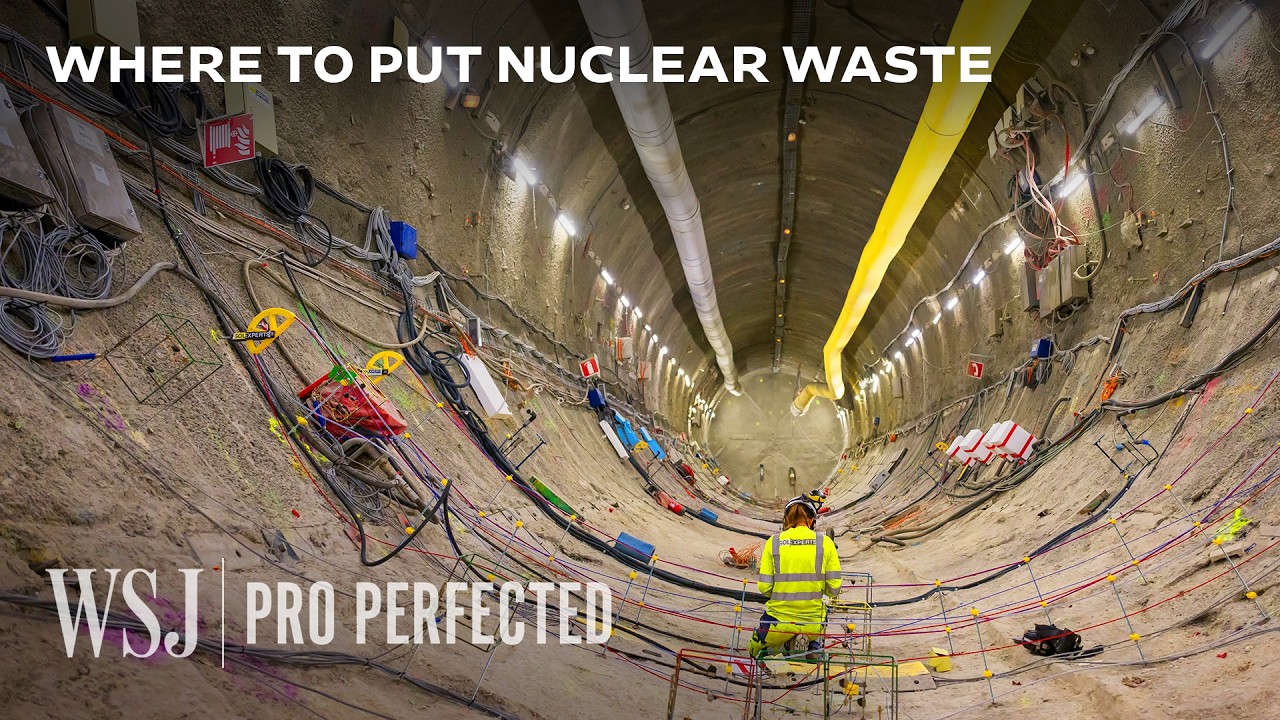
The United States faces a growing challenge in managing its vast stockpile of commercial nuclear waste, the largest in the world. Despite early efforts to establish a permanent disposal site, political delays and technical disputes have stalled progress for decades. As a result, spent fuel remains stored at reactor sites in temporary facilities not built for long-term containment. These interim solutions increase risks related to safety, environmental impact, and security, particularly as storage capacities near their limits. Experts like former Nuclear Regulatory Commission Chairman Allison Macfarlane highlight systemic failures in policy and planning that have prevented the development of a reliable, engineered solution.
The path forward requires overcoming significant political opposition and technical complexity. Building a permanent repository demands consensus among federal agencies, state governments, and local communities, along with rigorous scientific evaluation and public trust. Transitioning from temporary storage to a sustainable, geologically secure facility involves extensive engineering, regulatory oversight, and long-term funding. Without decisive action, the nation will continue to rely on aging infrastructure, raising concerns about future risks. Addressing this crisis is essential for both environmental protection and the continued viability of nuclear energy in the U.S.