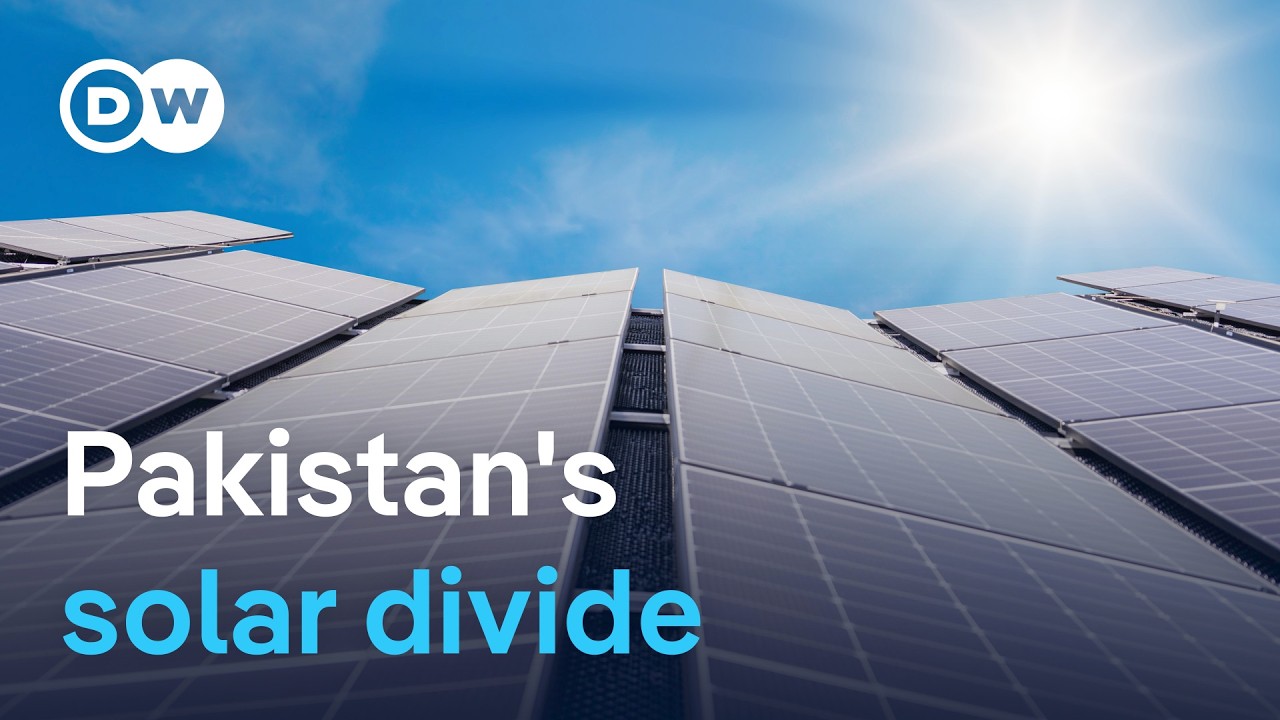
Pakistan is witnessing a rapid rise in solar energy adoption, fueled by soaring electricity prices rather than policy incentives. Households and small businesses across the country are installing solar panels to reduce dependence on an unreliable national grid. This shift has become a practical response to economic instability, particularly amid global tensions that have impacted energy markets. The decentralized nature of solar power allows communities to generate their own electricity, offering a degree of resilience against external shocks.
The trend reflects a broader transformation in how people approach energy consumption. As reliance on imported fuels continues to strain the economy, solar installations are emerging as a sustainable alternative. The movement is driven by necessity and local initiative, with little central coordination. Experts note that this grassroots model could inspire similar responses in other nations facing energy insecurity. The long-term impact may extend beyond cost savings, potentially reshaping energy infrastructure and consumer behavior nationwide.