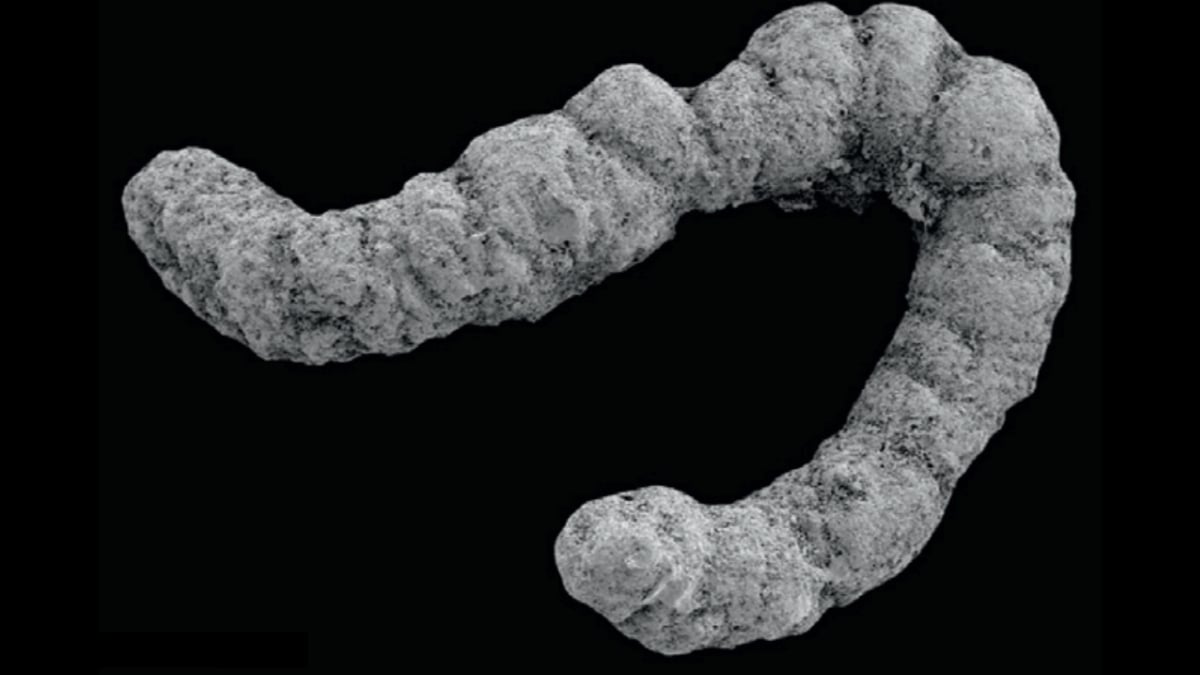
A new hypothesis proposes that explosive fecal releases from early marine life played a key role in the emergence of complex organisms on Earth. These ancient "poop blasts" are believed to have injected large amounts of phosphorus and other nutrients into the oceans, creating localized bursts of fertility. Such nutrient spikes may have provided the necessary energy boost for single-celled life to transition into more intricate multicellular forms. The theory challenges the notion of gradual environmental change, instead highlighting how biological processes—such as excretion—could have triggered significant evolutionary shifts.
The idea, reported by ScienceAlert, reframes a basic biological function as a planetary-scale catalyst. While still unproven, it underscores how even fundamental life activities might have shaped Earth's biosphere. By concentrating essential elements in specific ocean areas, these events could have sparked rapid increases in biological productivity. This perspective offers a vivid and unconventional take on evolution, suggesting that some of life’s most mundane acts may have had profound consequences for the development of life as we know it.