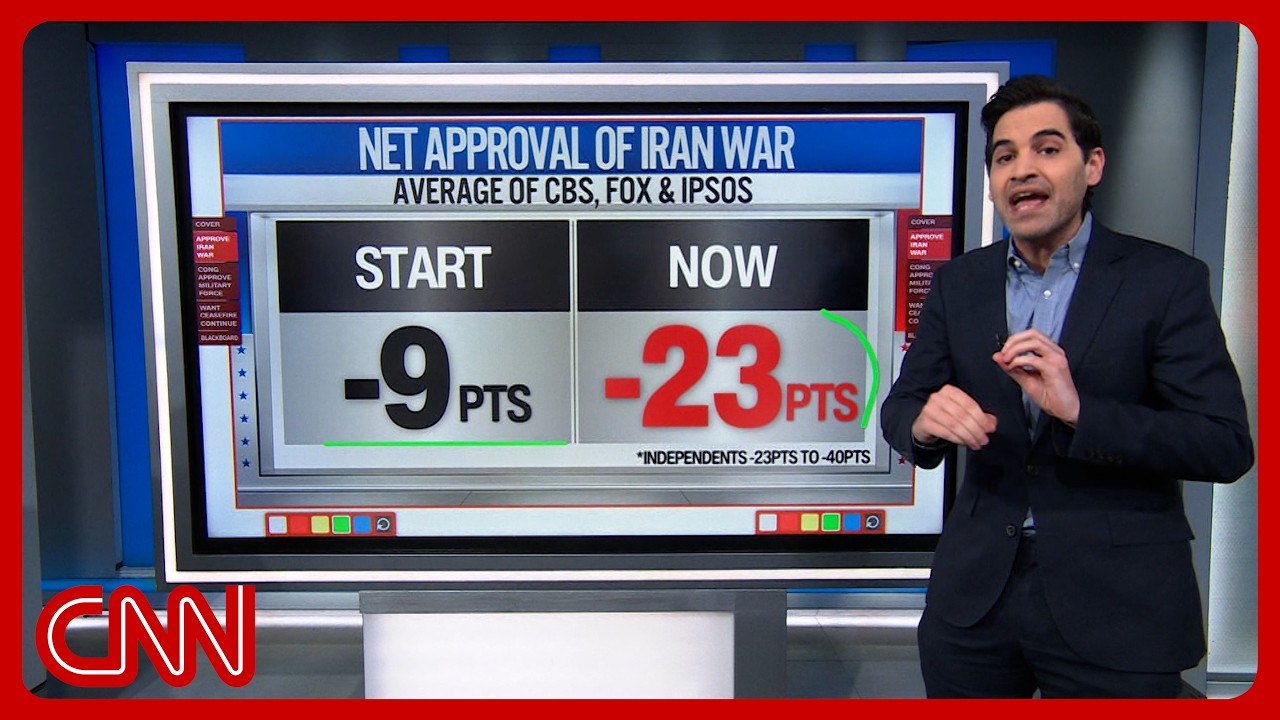
Public opinion on military action involving Iran shows a clear preference for congressional oversight, with over 70% of independent voters supporting Congress having the final decision on war-related matters. This sentiment reflects growing demand for institutional checks on executive power, particularly as lawmakers recently took steps to limit presidential war authority. The vote in the House highlights a bipartisan trend toward restraint in foreign military engagements, indicating that concerns about unchecked executive action extend beyond party lines. The participation of four Republican representatives who defied their party’s stance further emphasizes a broader national call for transparency and accountability in decisions leading to conflict.
The analysis reveals that public concern is not limited to one political ideology but stems from a widespread desire for democratic oversight in matters of war. These shifts in political behavior suggest that lawmakers face increasing pressure to align with public expectations for careful deliberation before military involvement. As debates continue over the balance of power between branches of government, the emphasis on congressional authority underscores a fundamental principle: major military decisions should reflect broad consensus and structured review rather than unilateral executive action.