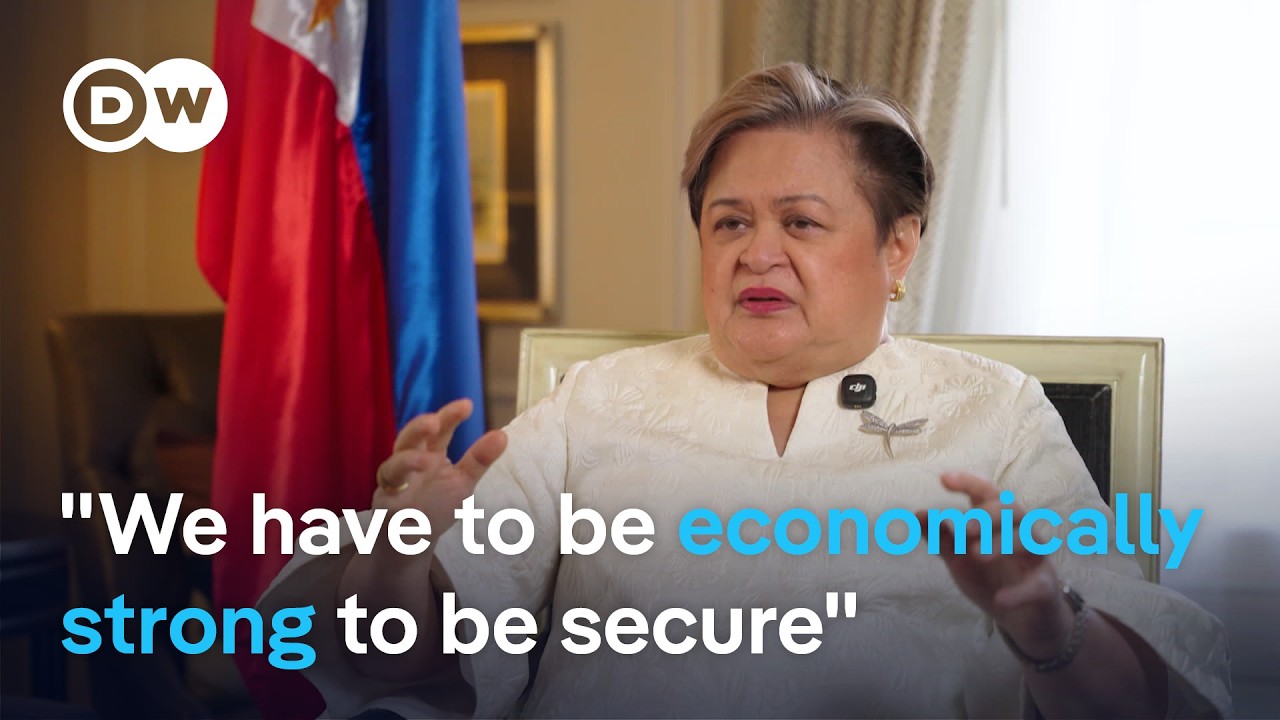
Philippine Foreign Affairs Secretary Tess Lazaro discusses the country's strategic recalibration of its alliance with the United States following a recent unsuccessful attempt to secure a non-permanent seat on the UN Security Council. The setback underscores the challenges Manila faces in multilateral diplomacy, prompting a reevaluation of its foreign policy approach. As global dynamics shift, the Philippines is working to balance its historic treaty relationship with Washington against evolving regional priorities in the Indo-Pacific. This new phase emphasizes sovereignty and pragmatic engagement, ensuring that national interests remain central amid changing international alignments.
The conversation highlights Manila’s efforts to diversify diplomatic ties and strengthen its independent voice on the world stage. Rather than relying solely on traditional alliances, the Philippines is actively engaging with multiple partners to advance its security and development goals. These moves reflect a broader strategy to assert agency in an increasingly complex geopolitical environment. While the UN outcome was disappointing, it has catalyzed a renewed focus on bilateral and multilateral cooperation that aligns with current regional realities and long-term national objectives.