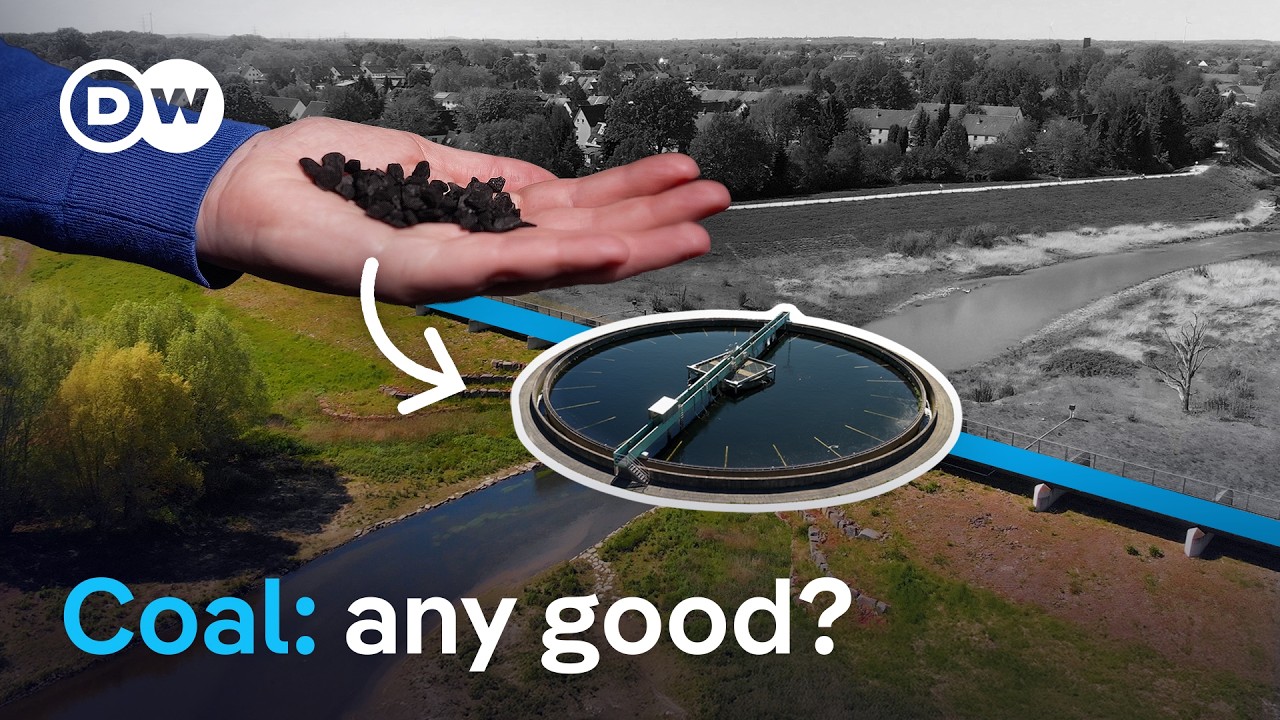
The Emscher River in Germany’s Ruhr Region has experienced a remarkable environmental revival, evolving from a heavily polluted waterway into a thriving ecosystem. Central to this transformation is the use of activated carbon made from recycled coal, known locally as "black gold." This material is integrated into the final stage of wastewater treatment, effectively capturing trace pollutants that conventional systems often fail to remove. The process not only enhances water quality but also supports a circular economy by repurposing industrial waste.
This approach has drawn widespread attention and growing interest from industries worldwide seeking sustainable solutions for water purification. The return of native fish and bird species to the riverbanks is a clear sign of ecological recovery. Once doubted, the project now stands as a successful example of how waste materials can be transformed into tools for environmental healing. Its model offers valuable insights for regions facing similar challenges in restoring degraded water bodies.