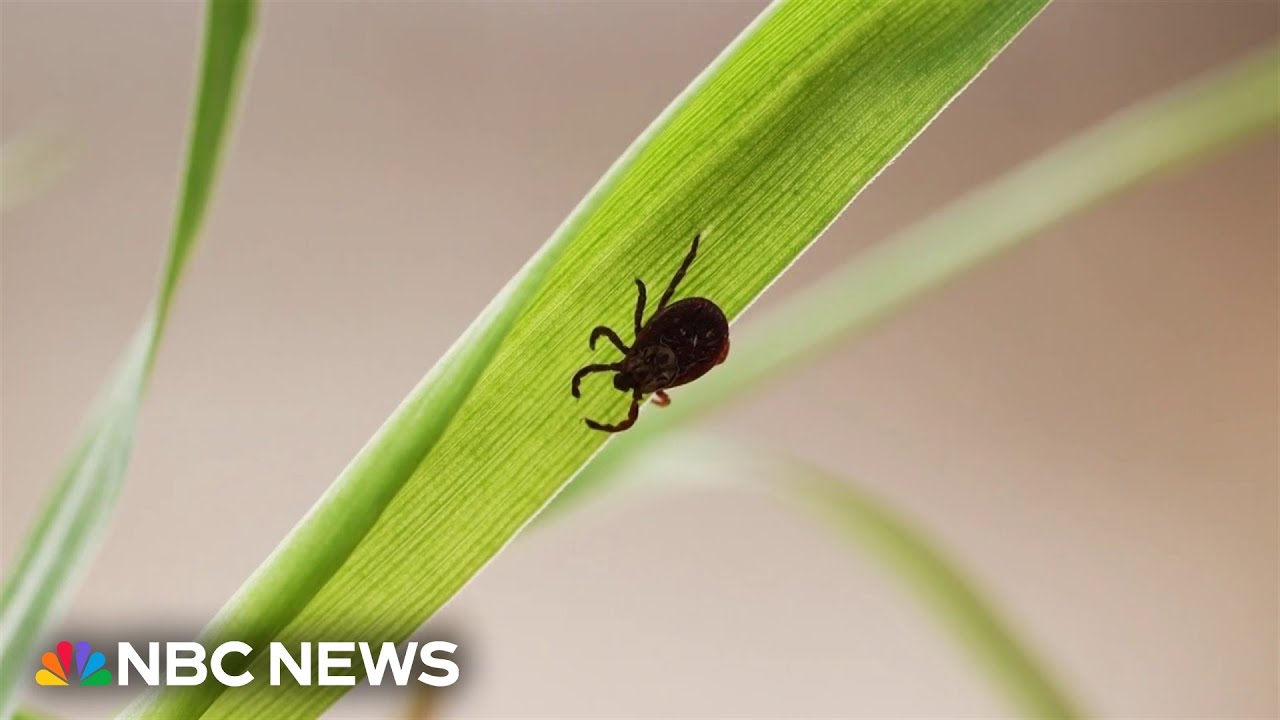
Medical professionals across several regions are observing a notable rise in emergency room visits related to tick bites, with certain states experiencing disproportionately higher rates. This increase has led health authorities to urge families to adopt preventive measures when engaging in outdoor activities, especially during warmer months. Experts emphasize the importance of recognizing early signs of tick-borne diseases, such as fever, fatigue, and rash, to ensure timely treatment.
Dana Griffin’s report explores the environmental and ecological factors contributing to the expanding tick population, including climate changes and habitat shifts. The coverage highlights practical steps for protection, such as wearing long sleeves, using insect repellent, and performing thorough body checks after being outside. With tick-related health risks growing, public awareness and proactive prevention are becoming essential components of seasonal safety strategies.