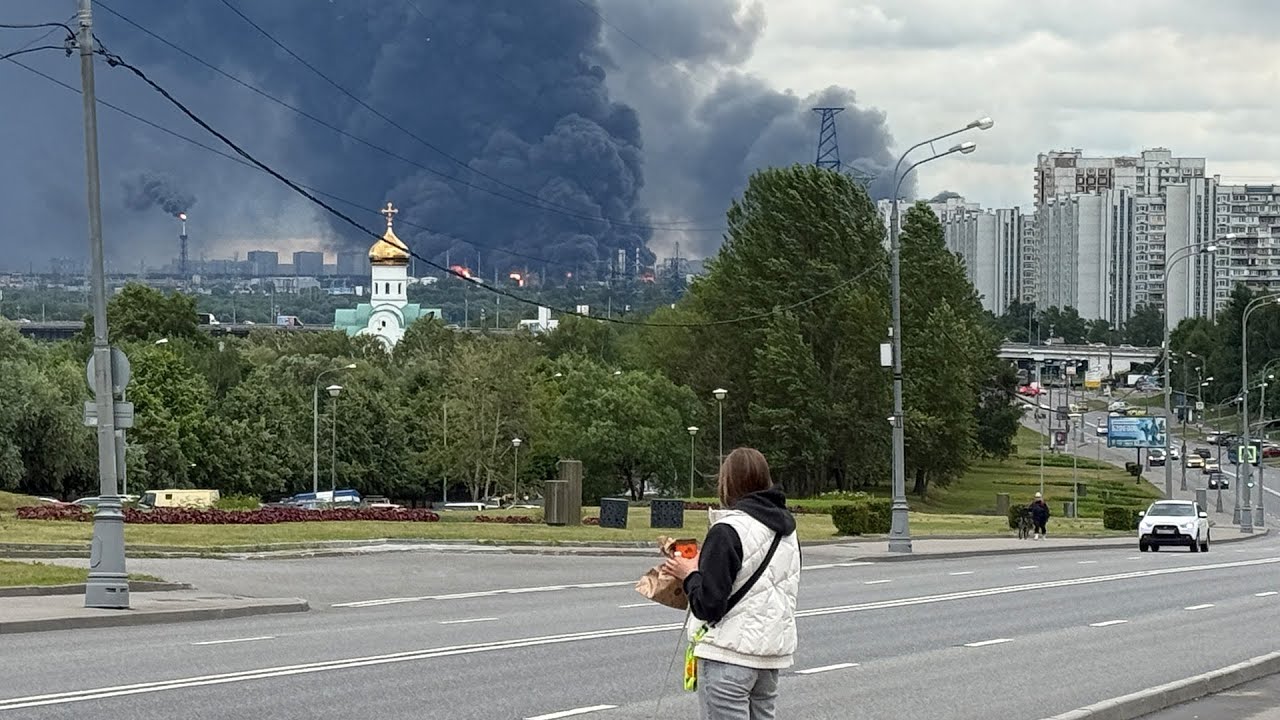
Over 50 regions across Russia are experiencing significant fuel shortages, driven by a combination of international sanctions and sustained Ukrainian drone attacks on critical energy infrastructure. These strikes have targeted oil refineries and port facilities, disrupting the country’s refining capabilities and reducing output by an estimated 20% to 30%. As the world’s second-largest oil producer, this decline poses serious challenges to both domestic supply chains and military logistics. The damage has been difficult to repair due to ongoing economic constraints and limited access to replacement parts.
The strategic impact of these operations extends beyond immediate fuel scarcity, affecting long-term economic stability and national defense readiness. With continued attacks on key energy nodes, Russia faces mounting difficulties in maintaining its industrial output and transportation networks. The situation underscores the vulnerability of even large energy exporters when subjected to coordinated, precision-based disruptions. This evolving dynamic reveals how modern warfare increasingly targets infrastructure to weaken an adversary’s broader capabilities.