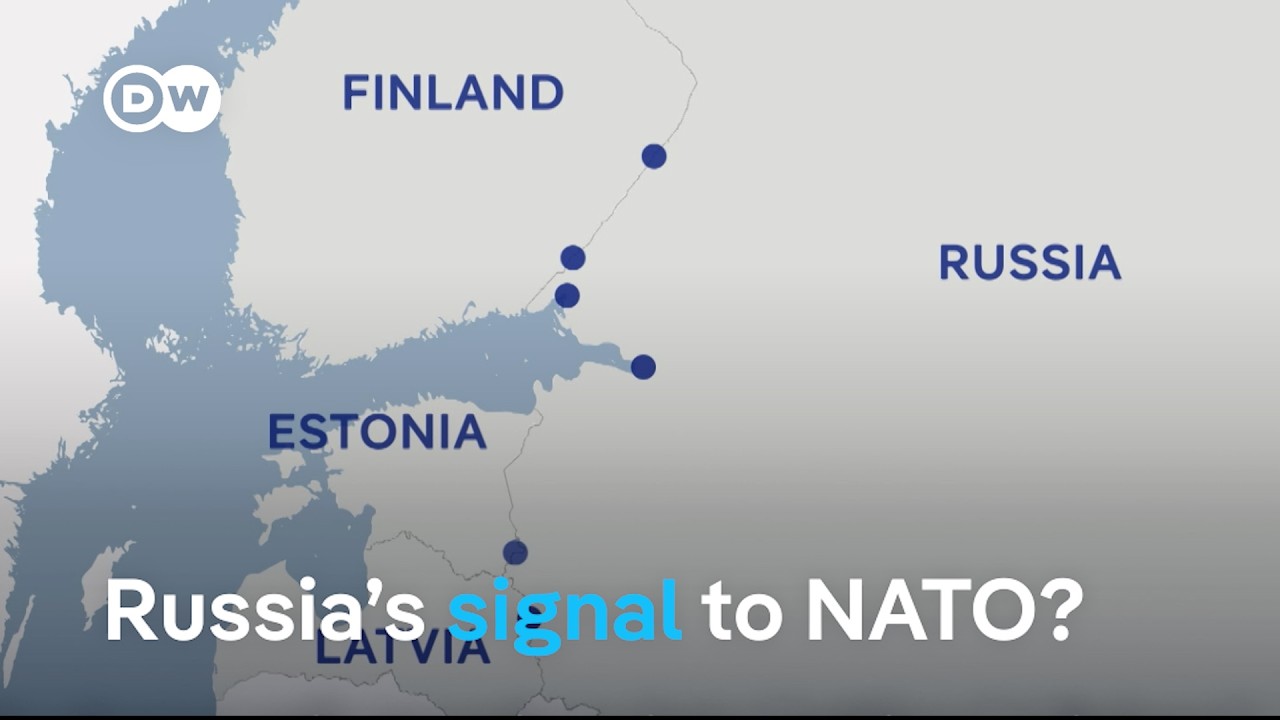
Russia has halted rail traffic across seven major border crossings with Finland, Estonia, and Latvia without providing an official explanation. This action cuts off vital transport routes between Russia and the European Union, marking a significant escalation in regional tensions. The closures coincide with growing concerns over Russian military activity near NATO's Baltic borders, prompting speculation about whether the move is purely logistical or part of a broader geopolitical strategy. International analysts are closely monitoring the situation, noting that such disruptions could signal deeper shifts in Moscow’s approach to its Western neighbors.
The suspension adds pressure to an already fragile security environment in Eastern Europe. With no immediate plans for reopening the crossings, trade and passenger movement have been severely impacted. Diplomatic channels remain limited, and uncertainty persists over future developments. As the situation evolves, the decision underscores the vulnerability of cross-border infrastructure amid rising geopolitical friction.