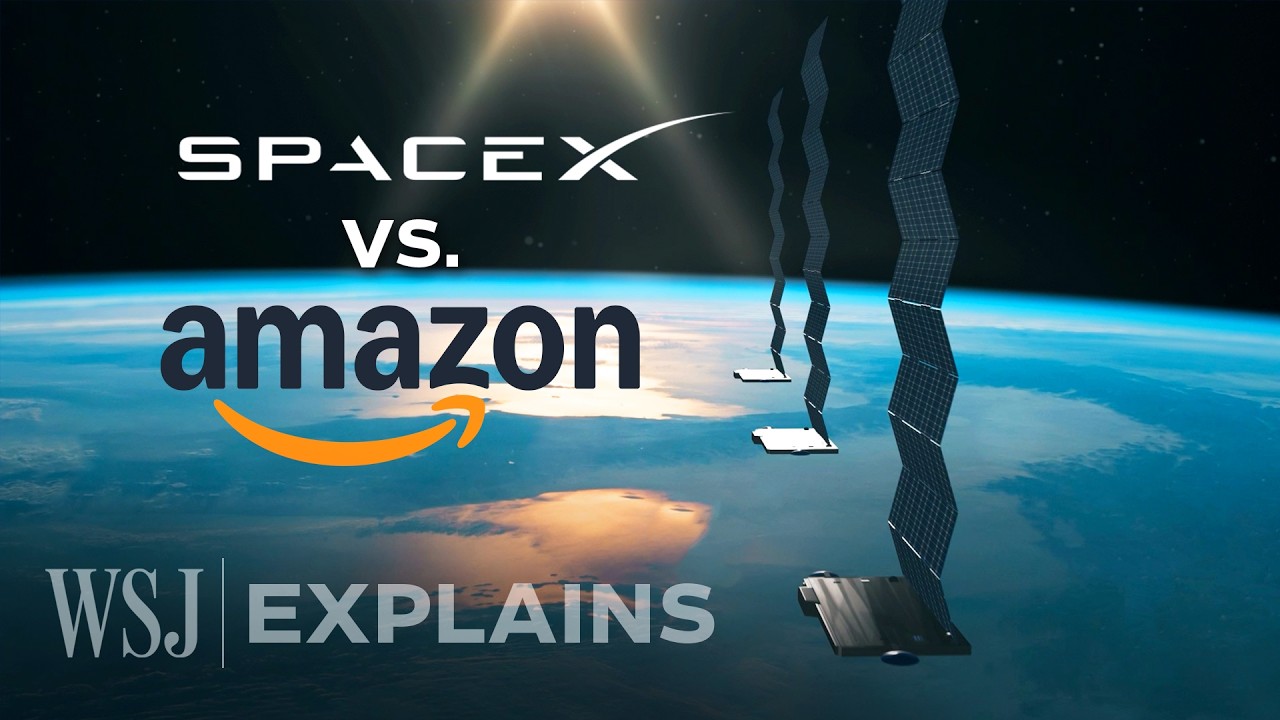
The competition for leadership in the low Earth orbit satellite internet market is heating up, with Amazon entering the arena to challenge SpaceX’s Starlink. As the global space internet sector is expected to grow to $108 billion by 2035, both companies are investing heavily in deploying large satellite constellations. The goal is to deliver high-speed broadband to remote and underserved areas, leveraging the advantages of LEO technology over older geostationary satellites. This shift requires complex coordination of launches, ground infrastructure, and orbital management.
Amazon’s Project Kuiper aims to rival Starlink’s existing network, but success depends on overcoming significant technical hurdles and achieving rapid deployment at scale. While SpaceX has already launched thousands of satellites and begun commercial operations, Amazon faces a tight timeline to catch up. The outcome will shape the future of global connectivity, influencing how billions access the internet. Industry observers are closely monitoring launch progress, regulatory approvals, and service performance as these two tech leaders vie for dominance in a rapidly evolving space economy.